THE next few years are likely to see Pakistan trapped in low-growth mode. International lenders maintain that economic growth in the country will remain subdued, hovering in the range of 1.8pc-3.5pc in the medium term because of plummeting investment, persisting fiscal and external imbalances, and a large state presence in the economy.
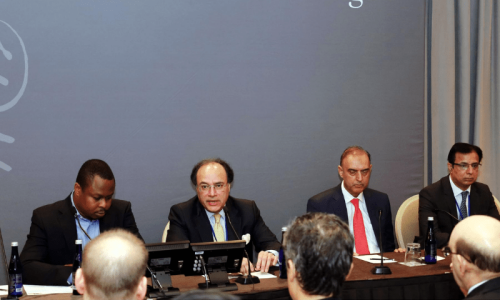
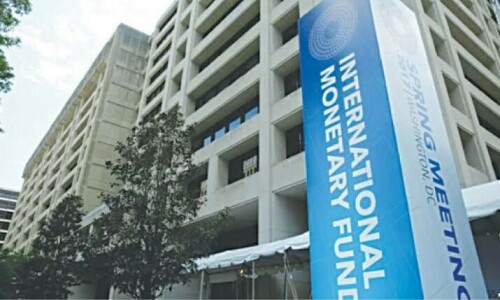
In its flagship World Economic Outlook 2024, released on the eve of the spring meetings of the World Bank Group, the IMF has predicted Pakistan’s economy will grow by 2pc this year and 3.5pc in the next. The estimates are based on the Fund’s recently concluded review of Pakistan’s macroeconomic position under the $3bn Stand-by Arrangement. Even these projections hinge on continued fiscal consolidation and a new IMF bailout. No wonder Finance Minister Muhammad Aurangzeb is in Washington to lobby for a larger, three-year Fund programme of $6bn-8bn to support planned economic reforms.
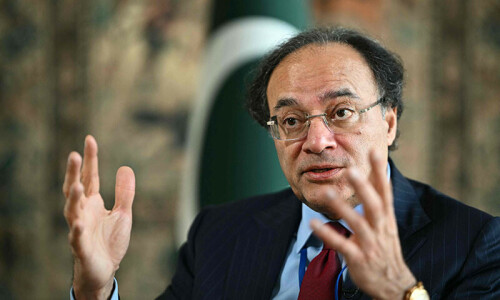
As stated by him, the country will request a three-year programme “to help execute the structural reform agenda”. Referring to reduced market volatility and economic stabilisation achieved under the SBA, he said that market sentiment was more positive in the current fiscal year. “It’s really for that purpose that we have initiated the discussion with the Fund to get into a larger and an extended programme,” he explained.
If approved, it will be Pakistan’s 24th engagement with the IMF since 1958. Will this new programme break what the minister was reported to have referred to as the “chain of financial struggles and bailouts”?
The fact is that Pakistan has never been able to complete a longer programme with the Fund because of a breach in policy goals thanks to political reasons. What will be different this time around? So far, the minister has shown an understanding of the issues that have dragged the economy down and his commitment to implementing long-delayed structural reforms without any proviso.
“If we do not go through the structural reforms, unfortunately, we will still be looking at another programme,” he told an Atlantic Council meeting. He knows what needs to be done and said that Pakistan does not require “too many policy prescriptions”. The problems are well-known and the country is aware of what is needed to stabilise the economy. The challenge is follow-through and implementation.
Unlike his predecessors, Mr Aurangzeb intends to discuss the programme’s “growth aspects” with the IMF as well. But he has not elaborated on how he plans to grow the economy without breaching the programme policy steps that must focus on tough stabilisation reforms.
With the economy going through its worst crisis, the budget for next year is set to reveal how steadfast the government will be in its commitment to undertaking reforms, and how Mr Aurangzeb balances stabilisation with relatively faster growth.
Published in Dawn, April 18th, 2024