IN recent years, Pakistan’s education landscape has been marred by a spate of cheating scandals, casting a pall over the integrity of our exam system. Instances such as a certain invigilator letting students peek into another’s copy or into cheat-sheets smuggled into the exam hall were not unheard of. But now, every few days, one hears of cheating occurring in some exam or the other, from the MDCAT last year to more recent reports arising out of Punjab of cheating in Class-IX exams. It is a lucrative racket with money in the tens of thousands reportedly changing hands. At the heart of the problem lies systemic pressure to succeed at any cost. The high stakes associated with exams, coupled with inadequate schooling and a lack of both preparation and confidence in the fairness of the system, push students towards dishonest means. Moreover, the complicity of examination staff facilitates this breach of integrity.
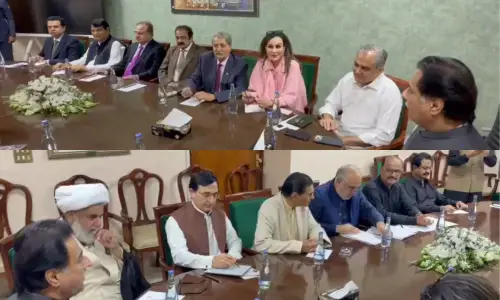
The government’s response must be swift. Firstly, there is an urgent need to overhaul the examination system to make it more secure and transparent. The introduction of technological solutions, such as computer-based testing and surveillance cameras in examination centres, could serve as deterrents. Moreover, the curriculum must be revisited to ensure it encourages concepts over rote learning, reducing the desperation that leads to cheating. Secondly, a concerted effort is needed to foster an ethical academic culture that values integrity and hard work over mere outcomes. Lastly, the regulatory framework requires strengthening, with clear penalties for facilitators of cheating. The government’s decisive action in Punjab, including the sacking of officials and invigilators and the formation of a cabinet committee to investigate, is a step in the right direction but should be part of a larger, sustained effort. Putting an end to the cheating epidemic requires more than just administrative measures; it necessitates a cultural shift that repositions education as a journey of intellectual and moral development.
Published in Dawn, April 5th, 2024