Bangladesh releases opposition party leader after 15 months


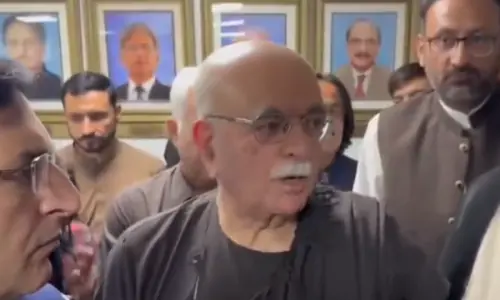
Bangladesh has freed the head of Jamaat-i-Islami, the largest religio-political party, officials said on Tuesday, 15 months since counter-terrorism officers arrested him after he vowed to take part in anti-government protests.
The release of Jamaat-i-Islami chief Shafiqur Rahman comes as political tension eases following Prime Minister Sheikh Hasina’s fourth consecutive election victory in January.
Rahman, 65, was released from a high-security prison outside the capital Dhaka on Monday, just hours before Ramazan began in the Muslim-majority country, party spokesman Matiur Rahman Akand told AFP.
“The high court granted him bail,” he said.
Rahman was arrested in December 2022, days after he announced his party would join other opposition parties in nationwide protests to oust Hasina, and dozens of cases were brought against him.
“Rahman was kept as a suspect in an anti-terrorism case, while there are 37-38 cases against him in total”, Akand told AFP.
Jamaat-i-Islami, the country’s third-largest political party and its largest Muslim outfit, was the key ally of the main opposition Bangladesh Nationalist Party (BNP) for decades.
It was part of the coalition that ruled the country from 2001-2006.
After Hasina came to power, the party was banned in 2012 from contesting elections, while the party’s leadership was arrested and tried for war crimes dating back to the country’s 1971 independence war against Pakistan.
The party claimed the trials were politically motivated.
Five of its top leaders were hanged between 2013 and 2016 after they were found guilty by a war crimes court, sparking deadly protests.
Thousands of Jamaat and BNP members were arrested ahead of the January 7 elections, which consolidated Hasina’s rule in the country. The vote was marred by a low turnout and a widespread opposition boycott.
Since Hasina’s victory, almost all the BNP’s leaders and activists have been freed on bail.