0
0

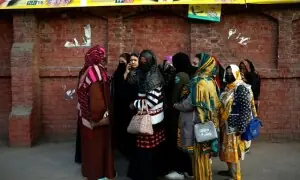
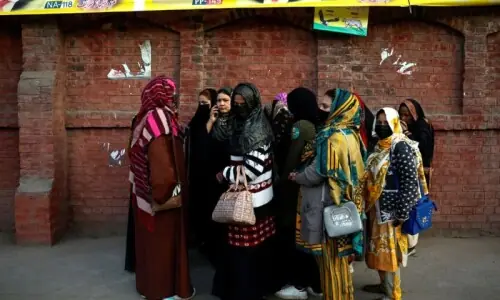
THE ECP’s recent directive to political parties, mandating at least 5pc representation of women candidates on general seats as per Section 206 of Elections Act, 2017, brings to the fore a crucial question: why do our political parties strive to meet only the bare minimum when it comes to women’s representation in politics? The compliance deadline set by the ECP is a reminder of the systemic hurdles women face in Pakistani politics. It is not just about meeting a quota; it is about ensuring equal representation and participation in the democratic process. While parties like the PPP and PML-N claim to have exceeded this requirement, and the PTI, despite losing its electoral symbol, fielded 20 women out of 234 candidates, one wonders why the norm is to hover around the minimum threshold.
Representation matters. Women’s perspectives and experiences are integral to the policymaking process, influencing decisions that affect the entire population. When political parties limit their female candidates to the bare minimum, they may be complying with a legal requirement, but are also perpetuating a system where women’s voices are marginalised. The PPP’s decision to field women in constituencies where they are likely to win is commendable, as is the presence of minority candidates like Saveera Parkash from Bannu. It is a step forward, showing a commitment to not just fulfilling a quota but also empowering women to win seats. Similarly, the PML-N’s focus, under Maryam Nawaz’s leadership, on women’s participation in electoral politics is a positive sign. However, these efforts should be more than symbolic; they should be part of a larger strategy to encourage and support women in politics. The ECP’s directive could have been more impactful had it been issued earlier, allowing parties to incorporate more female candidates in their planning. Yet, this does not absolve parties from the responsibility of proactively promoting women’s political participation. As we move towards the general elections, political parties should ask themselves: why stop at 5pc? Why not aim for a more balanced representation? The narrative needs to shift from compliance to commitment — a commitment to gender equality, to empowering women, and to strengthening our democracy by ensuring it truly represents all segments of society. We must ensure that women’s voices are not just heard, but echo powerfully in the halls of our democracy.
Published in Dawn, January 16th, 2024