PAKISTAN is the ‘key link’ in Beijing’s multi-trillion-dollar transactional Belt and Road Initiative and, therefore, one of the few participating countries that have gained the most from Chinese investments under this global cooperation umbrella.
However, Sino-Pakistan cooperation on CPEC — BRI’s flagship project, which seeks to connect countries across continents via rail, road and maritime routes — has remained restricted to Beijing’s investments in energy and transport infrastructure projects in Pakistan over the last one decade.
Chinese firms invested over $25bn in infrastructure development in Pakistan at a time when investments from elsewhere were drying up. But no progress has been made in industry and agriculture to boost productivity and exports.
While physical infrastructure is crucial to trade development and economic growth, it is vital for Pakistan to increase productivity and exports through foreign investment and technology transfer for tackling its perpetual balance-of-payments and debt crises.
That is precisely why many maintain that Islamabad has failed to fully realise CPEC’s promise, and missed a golden opportunity to fix its economy.
China’s renewed push for BRI global cooperation at the third Belt and Road Forum for International Cooperation held this week to mark the first decade of BRI’s launch has afforded Pakistan yet another chance to expand bilateral economic ties with Beijing beyond debt-creating energy and transport schemes.
Thus, we may take heart from the multiple agreements reached between the two countries to expand CPEC’s scope, and expand bilateral economic and investment cooperation to industry, mining, agriculture, livelihood projects, science and technology, education, etc.
Simultaneously, Beijing has agreed to finance and upgrade the rail track from Peshawar to Karachi at the reduced cost of $6.7bn and to invest $1.5bn in the refinery business here.
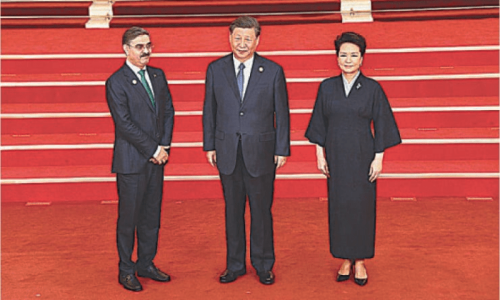
These agreements were signed during interim Prime Minister Anwaar-ul-Haq Kakar’s Beijing visit to participate in the forum where he also met President Xi Jinping and Prime Minister Li Qiang.
In the past, bilateral cooperation in these important areas was set back by multiple factors: irresponsible statements by PTI ministers against CPEC investment, bureaucratic impediments, painfully slow progress on Special Economic Zones for creating industrial infrastructure to facilitate the relocation of Chinese industry, poor regulatory and policy regimes, the dollar liquidity crunch and the like.
At the same time, the Covid pandemic, Beijing’s tensions with the West, and its concerns over security for Chinese nationals working in Pakistan also slowed momentum on BRI and CPEC.
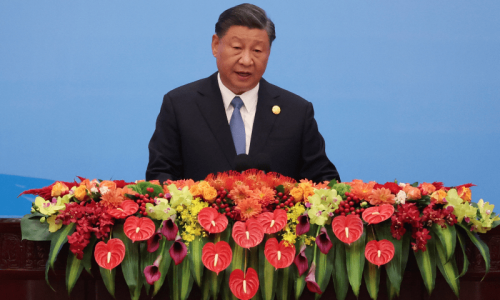
That President Xi told the forum that China is moving from “sketching the outline” towards “filling in the details” shows that Beijing is reasserting its position as leader of “economic multilateralism and globalisation”.
The question is: are we ready to seize this second chance to fully realise the potential of cooperation on CPEC to develop a green, open and inclusive economy?
Published in Dawn, October 20th, 2023