Caretakers to give Discos to private sector via ‘long-term’ concessions



ISLAMABAD: The caretaker government on Wednesday decided to hand over power distribution companies to the private sector through ‘long-term concessions’ and implement eight hours of gas load-shedding for domestic consumers during the winter months.
The government also agreed to replace the members of all Discos’ boards.
The caretaker government also pledged to continue its efforts against smuggling and the flight of US dollars, aiming to combat tax evasion worth Rs1 trillion annually in Afghan trade.
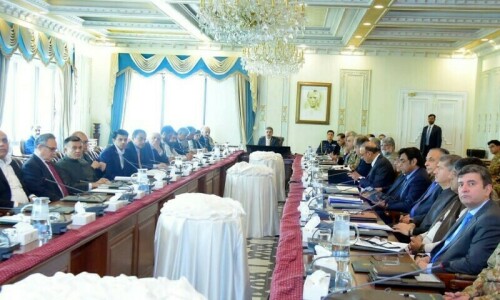
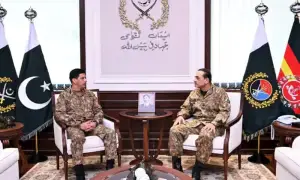
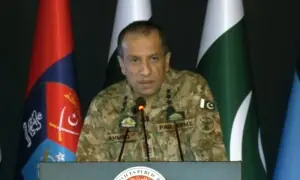
These decisions were made during the sixth meeting of the Apex Committee of the Special Investment Facilitation Council (SIFC), chaired by caretaker Prime Minister Anwaarul Haq Kakar. The nine-hour meeting was also attended by Chief of Army Staff (COAS) Gen Syed Asim Munir.
“Our gas reserves have depleted by 18 per cent in the current year, therefore we have decided to conduct eight hours long gas load-shedding at domestic level,” caretaker Power Minister Muhammad Ali said in a press conference held by five caretaker ministers to apprise the media about the decisions taken by the SIFC.
Regarding Discos, he explained that three options were presented to the SIFC — handing them over to provinces, granting long-term concessions to the private sector, or privatisation.
The meeting decided to proceed with the long-term concession to the private sector, he added. Caretaker Minister for Commerce and Industry Gohar Ejaz claimed that since after 14 years of its inception, the Gulf Cooperation Council (GCC) has made first free trade agreement (FTA) with Pakistan.
“Total per year import of the GCC is $1 trillion, while its export is $550 billion per annum. Unfortunately, Pakistan’s share in export to GCC countries is just $ 2.5 million, which is only half a per cent of total exports to the GCC,” he added.
Later, the Prime Minister’s Office (PMO) issued an official press release regarding the SIFC meeting, stating that the ministries briefed the forum on the practical steps taken over the past month to enhance the business and investment environment in the country.
It said the committee reviewed major macroeconomic issues affecting the investment climate, including inordinate delays in restructuring/privatisation of cash bleeding state-owned enterprises (SOEs).
The committee resolved to fast-track the privatisation process and reduce recurring losses to the national exchequer.
Published in Dawn, October 5th, 2023