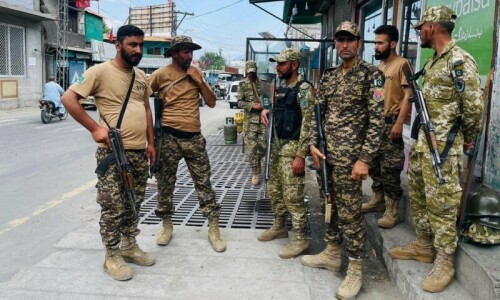
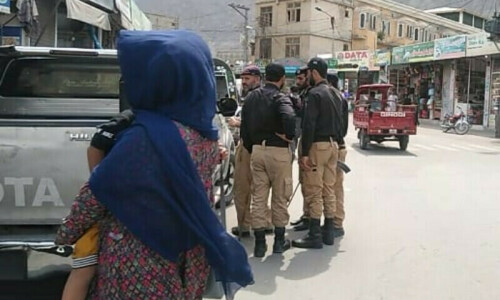
AWAY from the glare of mainstream media, trouble has been brewing in Gilgit-Baltistan in recent weeks. Demonstrations and counter-protests have been held in the mountainous region, with key thoroughfares blocked and mobile internet shut, as sectarian hatreds have returned to cast a long shadow over the area.
According to reports, action was sought against a religious leader belonging to one school of thought, who had made a controversial statement last month.
After protests in Chilas and elsewhere, a case was registered against the said cleric. This led to protests in Skardu and other towns, while allegedly derogatory remarks were made by another cleric, resulting in the filing of a case against this individual.
Communal differences may only be a trigger for the protests, as there are several underlying factors in GB fuelling disaffection.
However, the state’s bulldozing of the Criminal Laws (Amendment) Bill, 2023, through parliament has certainly breathed new life into sectarian discourses that were largely dormant.
GB may only be the first area where narrow communalism is being revived, thanks to this debatable legislation, and unless democratic forces and enlightened clerics speak up, the fire of hatred may spread, especially to those spots in the country where sectarian tensions are already high.
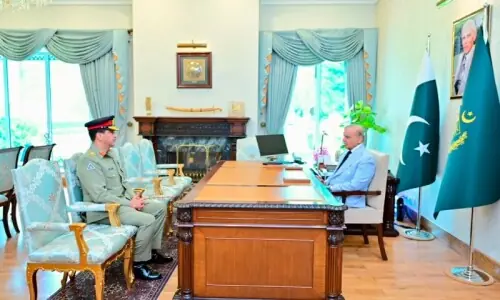
There are signs that matters are improving, as the region’s chief minister met both Shia and Sunni clerics, who have promised to maintain calm. The caretaker federal information minister has said the area is experiencing “peace and stability”, while adding that the military had been called in only to maintain peace during Chehlum.
Though GB has witnessed sporadic sectarian violence over the past several decades, matters, over the past few years, had been improving where inter-communal relations are concerned.
Therefore, the local administration, as well as clerics from both sects, need to support efforts for peace-building and shunning those who promote divisive agendas.
In particular, hate groups must not be allowed to spread their toxic views in an effort to fan communal flames. But beyond GB, unless the bill in question, specifically the amendments to the blasphemy law, is reconsidered, it will only add to extremism and widen fault lines in society.
As this paper has argued before, blasphemy cannot be condoned, and all religious figures should be respected. But bringing complicated theological and historical issues before parliament — which are better addressed by subject specialists and scholars of the highest calibre — and then rushing them through without any debate will only add to divisions in the country.
Such sensitive issues should not be codified in law in such a haphazard manner. For over four decades, Pakistan has been reeling from the effects of terrifying sectarian violence. To prevent the misuse of blasphemy laws, and the violence this begets, the amendments need to be rethought.
Published in Dawn, September 5th, 2023