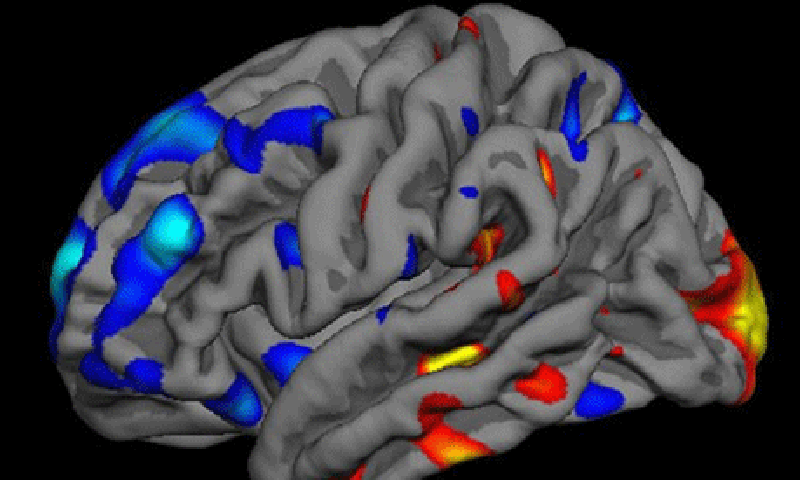
PARIS: The combination of “warp speed” advan­ces in neurotechnology, such as brain implants or scans that can increasingly peek inside minds, and artificial intelligence poses a threat to mental privacy, Unesco warned on Thursday.

The UN’s agency for science and culture has started developing a global “ethical framework” to address human rights concerns posed by neurotechnology, it said at a conference in Paris.

Neurotechnology is a growing field seeking to connect electronic devices to the nervous system, mostly so far to treat neurological disorders and restore movement, communication, vision or hearing.

Recently neurotechnology has been supercharged by artificial intelligence algorithms which can process and learn from data in ways never before possible, said Mariagrazia Squicciarini, a Unesco economist specialising in AI.

“It’s like putting neurotech on steroids,” she said.

Published in Dawn, July 14th, 2023
Opinion

Editorial

Shifting climate tone
Updated 08 May, 2026

Shifting climate tone

Our financial system is geared towards short-term, risk-averse lending, while climate adaptation and green infrastructure require patient, long-term capital.
Honour and impunity
08 May, 2026

Honour and impunity

THE Sindh Assembly’s discussion on karo-kari this week reminds us of the enduring nature of ‘honour’ killings...
No real change
08 May, 2026

No real change

THE Indian sports ministry’s move to allow Pakistani players and teams to participate in multilateral events ...
A breakthrough?
07 May, 2026

A breakthrough?

The whole world would welcome an end to this pointless war.
Missed opportunity
07 May, 2026

Missed opportunity

A BIG opportunity to industrialise Pakistan has just passed us by. This has been reconfirmed by the investment...
Punishing dissent
07 May, 2026

Punishing dissent

THE Sindh government’s treatment of the Aurat March this week was a disgraceful assault on democratic rights. What...