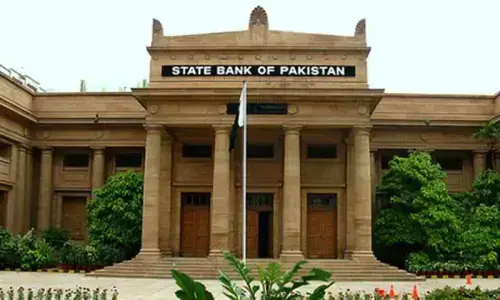
LONDON, Jan 27: British MPs ranked Pakistan, along with India, China, Russia and Mexico as the world’s counterfeiting hot spots where counterfeit medicines are produced and the proceeds from the illegal trade could be used in money laundering and sponsoring terrorism.
Debating the issue of counterfeit drugs and the threats posed to the public health system in the United Kingdom, MP Charles Walker told the House of Commons that counterfeiting of drugs was a global problem and the World Health Organisation (WHO) estimated that between 8 and 10 per cent of the global medicine supply chain was counterfeit, representing up to £20 billion worth of medicines.
MP Walker told the Commons that up to 60 per cent of public and private health expenses were used to buy medicines in developing countries but the WHO estimated that 25 per cent of those medicines were fake and in some countries the figure could be as high as 40 per cent.
He said in the world’s poorest and most vulnerable communities, people were dying needlessly of Aids and malaria.
“Counterfeiting hot spots include Mexico, Pakistan, India, China and Russia,” said the British MP.
The MP said nearly 1,000 drug-counterfeiting factories were closed and millions of counterfeit drugs were seized in China during 2003.
It is estimated that 100,000 Chinese people died that year as a result of taking counterfeit medicines, he said.
He said in wealthier countries, the most frequently counterfeited medicines tended to be new, expensive lifestyle drugs. For example, he said, it was estimated that half the Viagra sold over the internet was worthless.
MP Walker said the profits from pharmaceutical counterfeiting were huge and the risks lower than those involved in trafficking narcotics.
Counterfeiting was linked to all forms of organised crime such as money laundering, drug trafficking, terrorism and other illegal activities, he said.
Replying to the concerns raised by the MP, the British minister of State for Health, Jane Kennedy, said there was some evidence of counterfeit products being provided direct to UK customers in the UK by mail order, via the internet or on a personal basis. The minister said counterfeit medicine was a global issue and a matter of global concern.
The issue was under active discussion in a range of international forums, particularly within the EU, the Council of Europe and the WHO, said the minister.