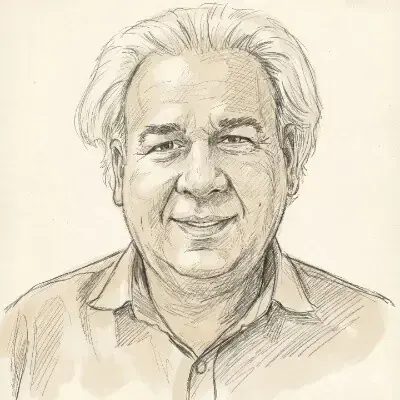
Pak-Japan literary and cultural relations highlighted at lecture in Karachi


KARACHI: To shed light on the history of literary and cultural ties between Pakistan and Japan, a lecture by eminent scholar Prof Dr Moinuddin Aqeel was organised by the Pakistan-Japan Intellect Forum (PJIF) at the Consulate General of Japan on Wednesday afternoon.
Dr Aqeel said usually it’s the diplomatic relations between two countries that are often strengthened, which is important. Cultural ties are even more important. Pakistan [from the time when it was a part of the subcontinent] and Japan enjoy such an association for the past 150 to 175 years.
He said when Western powers came to South Asia they used education to change the local or indigenous system because education entailed western concepts. Urdu had an important role to play in the creation of Pakistan as well as in furthering the country’s ideology.
Dr Aqeel said Pakistan and Japan have learnt a great deal from each other. One of the things that brought the two nations closer was literature, especially in the form of travelogues.
The first travelogue in that connection was penned by a ruler of Rampur named Hamid Ali Khan. For six months in 1893 he travelled across the world. Unlike the usual practice of globetrotters from west to east, he began his journey from the east.
It was after visiting Japan that he left for the US. In 1896, he published his Japan journey from Agra. It’s an important cultural document which became very popular at the time of its publication.
The other aspect that the scholar emphasised was the various Islamic movements that the British suppressed. He said before the 1857 war, there was one such movement which due to lack of resources couldn’t succeed.
One of the exiled men was Maulvi Barkatullah Bhopali, who first went to America from India and then to Japan from where he took out a magazine that generated interest of the Japanese people in Islam.
After giving examples of how some individuals popularised Urdu in Japan, the scholar said the Urdu novel is fondly read in that country and no fewer than 300 Urdu short stories have been translated into Japanese. He also mentioned the name of Sir Syed’s grandson Ross Masud who visited Japan three times.
In his closing remarks, which were delivered in Urdu, Nakagawa Yasushi, deputy consul general of Japan in Karachi, thanked Dr Aqeel for giving an informative talk. He then talked about how he was introduced to the Urdu language and how he got to learn it.
M Iqbal Burma spoke on the genesis of the PJIF at the event, which was moderated by Shakil Khan.
Published in Dawn, June 22nd, 2023