0
0

ISLAMABAD: Experts at a seminar highlighted the role of emerging technologies in comprehensive national security, stressing the need for collaboration and a human-centric approach.
The Centre for Aerospace and Security Studies (CASS) Islamabad conducted the seminar on the “Role of new and emerging technologies in comprehensive national security.”
The event brought together renowned experts and policymakers to explore the profound impact of technological advancements on national security strategies, a news release said.
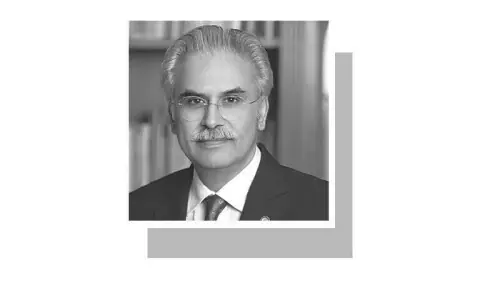
In his keynote address, Adviser National Command Authority and former director general Strategic Plans Division, retired Lt Gen Khalid A. Kidwai emphasised the crucial link between changing technologies and comprehensive national security.
He stressed the need to consider the reliability, shelf life and strategic effects of new technologies as they could cause tactical and strategic imbalances.
Gen Kidwai underscored the importance of embedding political stability, a sound economy and social cohesion within the nation’s fabric to ensure comprehensive security.
Professor Dr Rabia Akhtar, Director Centre for Security, Strategy and Policy Research at the University of Lahore, shed light on the impact of new technologies on traditional security.
She emphasised the need for synergy and collaborations between state institutions, academics and industry experts.
Dr Akhtar also stressed the significance of investing in emerging technologies like AI-powered weapons, bioengineering and cyber warfare to maintain an edge in national security. Furthermore, she stressed the need for a regulatory framework and massive investment in research to address privacy concerns and civil liberties.
Aamna Rafiq, research associate at the Arms Control and Disarmament Centre, Institute of Strategic Studies Islamabad, explored the potential of emerging technologies in enhancing non-traditional security and national development. She discussed how innovative technologies were directly supporting the implementation of the United Nations 2030 Sustainable Development Goals (SDGs).
Ms Rafiq highlighted the role of emerging technologies in poverty reduction, market access, agriculture practices, healthcare, education and gender equality. She also emphasised the need to bridge the gender divide in technology and ensure equal access for all.
Dr Syed Arif Ahmad, former adviser at the Pakistan Atomic Energy Commission, focused on the harnessing of technological development to support comprehensive security.
He raised concerns about the rapid development of artificial intelligence (AI) and the potential challenges in controlling its application.
Dr Ahmad stressed the importance of adapting AI technologies to stay prepared for future conflicts and avoid isolationist policies. He also highlighted the implications of hypersonic weapons and the need for Pakistan to invest in supercomputers for testing new technologies.
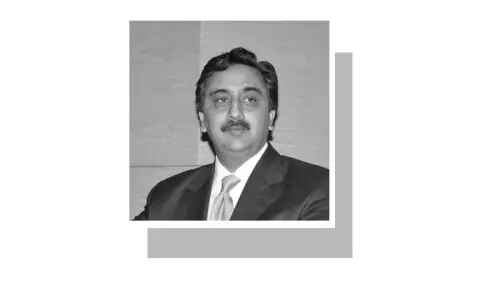
Retired Air Commodore Khalid Banuri, former director general Arms Control and Disarmament Affairs Branch, Strategic Plans Division, emphasised the importance of social cohesion and acknowledged the challenges associated with achieving it.
He also shed light on social cohesion saying it was a complex objective and not easily attainable as it required learning to co-exist with diverse perspectives and backgrounds.
Regarding big data, Mr Banuri identified three key aspects: access, analysis and application. He noted that there were existing challenges in each of these areas for Pakistan.
Furthermore, he said the integration of algorithms and AI could assist in facilitating swift and efficient decision-making at both individual and societal levels.
Retired Air Marshal M. Ashfaque Arain, adviser to Chief of the Air Staff on CASS Affairs and Director Emerging Technologies, Centre for Aerospace and Security Studies, highlighted the transformation of national security during the seminar.
He said the concept of national security had transitioned from solely focusing on military security against external threats (traditional security) to encompassing comprehensive national security.
This comprehensive approach entailed safeguarding not only the state security but also protecting various dimensions of human security or non-traditional security.
In his concluding remarks, retired Air Marshal Farhat Hussain Khan, President Centre for Aerospace and Security Studies, said AI had significantly reduced decision-making time, leaving no room for delay or hesitation.
He said the rapid advancements in AI and cyber capabilities were set to play a vital role in the future of warfare.
Mr Khan emphasised the criticality of political stability as a prerequisite for progress, adding true security could not be achieved without ensuring the safety and well-being of the people. Therefore, he stressed the importance of adopting a human-centric approach to security as the primary focus.
Published in Dawn, June 11th, 2023