A RECKONING is called for, a reckoning unlike that which this nation has ever seen. It must happen now — or, as surely as night follows day, more bestial acts of violence like that which took place in Peshawar on Monday will continue to claim the lives of innocent Pakistanis. And it must come from those who sowed the seeds of a disastrous policy that is once again reaping a harvest of blood.
There is not much to be gained in pointing the finger of blame at particular individuals, though some are indeed more culpable than others. The security establishment as a whole has since decades persisted with a myopic approach to militancy, one that could only lead to perdition.
Its disregard, bordering on contempt, for any input from the civilian leadership — which had to face the public’s wrath as the body count rose — kept it insulated from what might have been wiser counsel.
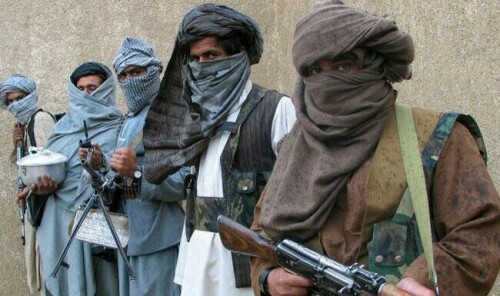
Following the horrific APS attack in 2014, it seemed for a time that the state had seen the folly in its ‘good Taliban, bad Taliban’ strategy. The National Action Plan that was a response to that tragedy stipulated 20 steps towards eradicating extremism in society.
But while the civilians faltered in taking the measures they were responsible for, the establishment’s inconsistent policy towards militants remained in play and negated whatever steps the government did take.
When the civilian leadership in 2016 warned that Pakistan risked international isolation unless it cracked down on militants of all stripe, it was ruthlessly — and very publicly — cut down to size, leaving no doubt as to who was calling the shots.
Some action against the ‘good Taliban’ was only initiated when Pakistan was about to be placed on the FATF grey list. As a result, ‘charitable entities’ that had earned an international reputation as fronts for extremist propaganda and militancy were forced to suspend their activities.
Nevertheless, some extremist groups continued to find space to hold press conferences and rallies, even field candidates in elections.
Contrast that with the persecution of individuals like Pashtun Tahaffuz Movement leaders Manzoor Pashteen and Ali Wazir, who were warning that militants were once again gaining a foothold in the tribal districts, some of them with the blessing of the state.
After the military-led ‘peace talks’ with the TTP failed and the terrorist outfit began to carry out countrywide attacks, it became clear who had gained from the exercise. In the fullness of time, the state’s missteps are plain to see. The glib platitudes, the doublespeak about ‘zero tolerance’ for militancy have been shown up for what they are.
A break from the past is needed, but for that the establishment must come clean so that we can start working to put behind us the confusion created by its dangerously muddled policy.
Published in Dawn, February 1st, 2023