THE lingering economic impact of this summer’s calamitous floods, which have hurt the country’s rice, cotton and wheat output, has started to show.
Last week, this newspaper had reported that the country’s cotton production had dropped by more than 40pc, mainly on account of the floods and climate change. The rice harvest is projected to be at least 10pc less than last year’s crop. The deluge has affected soil conditions to such an extent that wheat plantation has become difficult in many places in Sindh. The next wheat harvest could see a considerable drop in cereal production.
In short, flood-damaged crops will force Pakistan to increase its food and cotton imports to make up for harvest losses at home. The impact will also be felt on rice and textile exports.
More imports and fewer exports are hardly something Pakistan’s dollar-starved economy can afford, as it will put greater pressure on the current account.
Though the State Bank governor is hopeful that the pressure on the declining foreign currency reserves will largely be offset by the falling international oil and commodity prices, many analysts fear that the current account deficit will exceed the initial estimates of $10bn.
With the cash-starved government struggling to restrict imports to ease pressure on the external account and boost reserves to prevent debt default in the medium to long term, this cannot be good news for the flood-stricken economy.
That the impact of the floods on the agriculture sector and the overall economy will be felt for years to come is a given.
Farmers took years to emerge from the negative impact of the 2010 floods on their lives and livelihoods. The destruction caused by the recent floods is of a much higher magnitude, with the deluge inundating almost a third of the country and affecting or displacing 33m people. Besides massive crop losses, the farmers have seen their livestock being swept away by the raging waters.
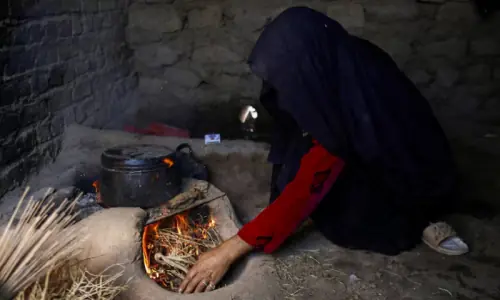
The country’s agriculture sector has been in extreme distress for a very long time now, owing to multiple factors, ranging from poor government policies to lack of investment in agricultural research to climate change to low mechanisation. This is reflected in the decreasing crop yields and farm incomes, and rising rural poverty and food shortages.
Pakistan had turned into a net importer of food and cotton for the large textile industry long before the floods had hit. This year’s deluge, which will continue to torment the economy and the people for years to come, has compounded our agricultural woes and food insecurity.
The prime minister has announced a package for agriculture, but that isn’t enough to help revive the sector and rehabilitate the flood-affected farmers. We need long-term policies, and heavy investments in rural infrastructure and research to cope with climate change, in order to turn around farming in a sustainable way.
Published in Dawn, December 15th, 2022