Climate impacts heading to ‘uncharted territories of destruction’: UN chief

Climate change impacts are “heading into uncharted territories of destruction”, UN secretary-general Antonio Guterres warned on Tuesday on the release of a multi-agency scientific report reviewing the latest research on the problem.
The report, led by the World Meteorological Organisation, warns that the world is “going in the wrong direction” on climate change.
With greenhouse gas concentrations continuing to increase in the atmosphere and world leaders failing to adopt strategies to hold warming below 1.5 degrees Celsius above pre-industrial temperatures, the Earth is inching closer toward dangerous climate tipping points, the United in Science report says.
Already, extreme weather events are more frequent and more intense.
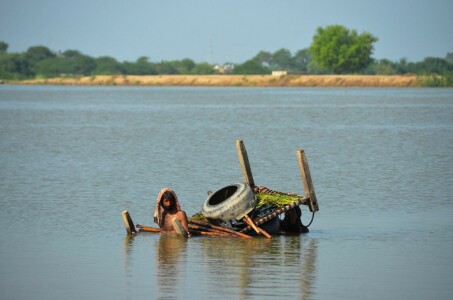
“Heatwaves in Europe. Colossal floods in Pakistan…There is nothing natural about the new scale of these disasters,” Guterres said in a video message.
Despite a dip in emissions during coronavirus lockdowns, planet-warming emissions have since soared beyond pre-pandemic levels. Preliminary data reveal that global carbon dioxide emissions in the first half of this year were 1.2 per cent higher than during the same period in 2019, the report finds.
The past seven years were the warmest on record.
The global average temperature has already warmed 1.1 degrees Celsius above the pre-industrial average. And scientists expect the annual average could be anywhere between 1.1C and 1.7C warmer up to 2026 — meaning there’s a chance we could pass the 1.5C warming threshold in the next five years. Read full story
By the end of the century, without aggressive climate action, global warming is estimated to reach 2.8C.
But even at the current level of warming we could pass several climate tipping points.
The ocean current that moves heat from the tropics into the northern hemisphere, for example, is now at its slowest in 1,000 years - jeopardizing historic weather patterns, says the report, which includes contributions from the UN Environment Programme and UN Office for Disaster Risk Reduction.
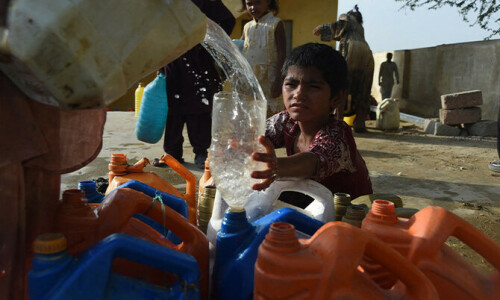
Nearly half the world’s population is considered highly vulnerable to the impacts of climate change — floods, heat, drought, wildfires, and storms.
By the 2050s, over 1.6 billion city-dwellers will regularly swelter through three-month average temperatures of at least 35C (95F).
To help communities cope, the WMO has promised to put every person on earth under the protection of an early warning system within the next five years.