22
22

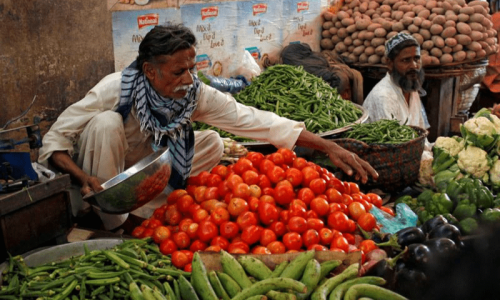
QUETTA: Protesters stopped vehicles carrying imported tomatoes in Kalat district on Friday and some of them either looted or destroyed the merchandise, officials said on Friday.
Several farm owners and growers gathered in Mangochar town and blocked the Quetta-Karachi national highway by putting boulders and barricades, suspending traffic.
An official said protesters intercepted a vehicle loaded with tomatoes imported from Iran and started looting or throwing tomato boxes on the road.
The protesters, chanting slogans against the government, said they would not allow tomato imports from Iran and their crop was ready for shipment to the market.
Local administration officials and Levies personnel rushed to the site soon after the incident to control the situation.
The Balochistan Zamindars Association, which organised the protest, has condemned the destruction of tomatoes and disassociated itself from the incident.
“We have nothing to do with the incident,” said Haji Abdul Aziz, a representative of the association, adding that “our protest was peaceful”.
The association believed local growers would face significant financial losses amid imports of tomatoes and other vegetables from Iran and Afghanistan as their crop, ready to hit the market, would not fetch the right price.
It has asked the government to stop these imports until the local tomato crop arrives in the market.
Several trucks loaded with tomatoes and onions reached Pakistan through Taftan and Chaman border crossing from Iran and Afghanistan, lowering the high prices of both vegetables in the local market.
Onion and tomato prices went through the roof after flash floods washed away large swathes of crops, prompting the government to allow imports from neighbouring countries to lower costs.
The Federal Board of Revenue has since waived taxes and levies on the import of onion and tomato for three months.
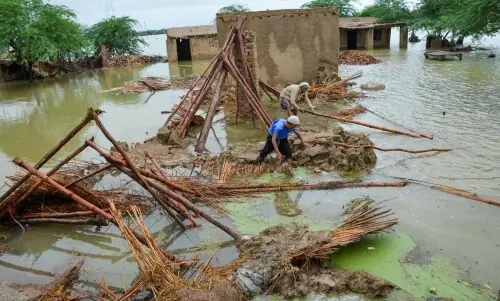
Record monsoon rains and glacier melt in northern mountains, have triggered floods that have swept away houses, roads, railway tracks, bridges, livestock, and crops, and killed nearly 1,400 people. Huge areas of the country are inundated and hundreds of thousands of people have been forced from their homes.
The government says the lives of nearly 33 million people have been disrupted.
Published in Dawn, September 10th, 2022