0
0
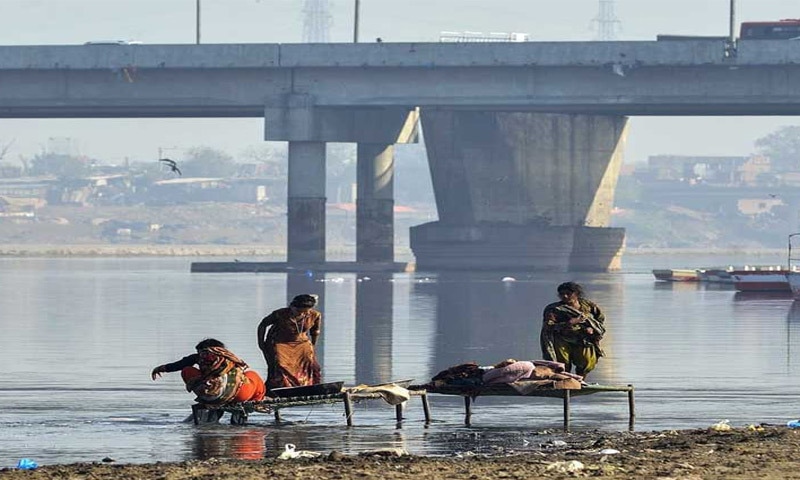

THE river system of Pakistan flows from the Himalayas and the Karakoram Range. It embraces five rivers that mostly pass through Punjab; these rivers are tributaries of the Indus River, which gave ‘Punjab’ its name; the land of the five rivers. Like many other rivers, the Ravi flows from the Himalayas through the south-western region of Indian Punjab and enters Pakistan before merging with Chenab. Ravi is nearly 700km long and is famously known as the ‘river of Lahore’.
Regrettably, Ravi is among the world’s most polluted rivers. According to a study conducted by the University of York and published by the National Academy of Sciences of the United States, harmful particles were found in the river which pose great threat to environmental and human health.
The Ravi basin is home to 52 million people and a source of life for many more millions across Punjab. Massive population growth and robust economic activities affected the river, damaging the ecosystem and putting lives of millions at risk.
The Ravi faces a complex combination of challenges that are threatening lives of millions of people and other organisms in the sub-aqua universe.
The low quality of water may destroy its precious aquatic ecosystem. Besides, this is a huge public health concern as waterborne and water-washed diseases are common across all age groups. Ravi’s current pollution and its streams are the worst in the world. It is known as the ‘Killer Canal’ as the oxygen level of the river is unable to sustain aquatic life. Pesticides and other persistent organic pollutants are present in several portions of the river.
Ravi needs collective thinking and consensus among all the relevant stakeholders not only in Punjab but all over Pakistan, including those associated with the other rivers. Poor checks and balances on agriculture and industrial practices, diversion of water and lack of waste management are the worst causes behind pollution in rivers.
There are many laws related to dumping of waster and its management, but there is hardly any implementation worth its name. Currently, there are no controlled waste disposal facilities and formal recycling system in Lahore, though roughly 27 per cent of waste is recycled through the informal entities.
The government should focus on reduction/elimination of trash being thrown in the bay, use of rain barrels, and building rain gardens that can handle wet soil and help in filter runoff. Drainage systems should be inspected yearly to ensure smooth discharge of water.
Chemicals, which are a big source of nitrogen and phosphorus, and toxic
runoff should be banned or disposed of carefully. These initiatives must be adopted to improve environmental conditions and public health. And it is only possible if the problem is considered a matter of life and cultural value.
Komal Sikandar
Karachi
Published in Dawn, April 9th, 2022