Protesters storm Sri Lankan president’s home as crisis deepens



COLOMBO: Police fired tear gas and water cannon at hundreds of protesters trying to storm the home of Sri Lankan President Gotabaya Rajapaksa in the capital on Thursday, demanding his resignation as the South Asian nation’s economic crisis worsened.
The island of 22 million people is in the grips of its worst downturn since independence, sparked by an acute lack of foreign currency to pay for even the most essential imports.
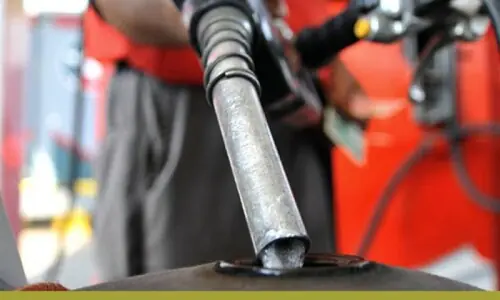
Diesel — the main fuel for buses and commercial vehicles — was unavailable at stations across the island on Thursday, according to officials and media reports — crippling public transport.
Outside Rajapaksa’s home in Colombo’s Mirihana residential quarter, anti-riot squads beat back demonstrators after they blocked the roads for more than two hours.
“I am unable to go home because our area is barricaded,” one resident said. “People are shouting for the president and his family to step down.” Official sources said that Rajapaksa was not at home during the protests.
The rally had been called by social media activists who were not immediately identified, but their ire was directed at Rajapaksa and his family.
Videos shared on social media showed men and women shouting “lunatic, lunatic go home” and demanding that all members of the powerful Rajapaksa family step down.
The president’s elder brother Mahinda serves as prime minister while the youngest — Basil — holds the finance portfolio. The eldest brother Chamal is agriculture minister while nephew Namal holds the cabinet post for sports.
Diesel shortages had sparked outrage across Sri Lanka in recent days, but the protests had so far been in towns and not aimed at any top leader, before Thursday’s events.
“We are siphoning off fuel from buses that are in the garage for repairs and using that diesel to operate serviceable vehicles,” Transport Minister Dilum Amunugama said.
Owners of private buses — which account for two-thirds of the country’s fleet — said they were already out of oil and that even skeleton services might not be possible after Friday.
“We are still using old stocks of diesel, but if we don’t get supplies by this evening, we will not be able to operate,” the chairman of the private bus operators association, Gemunu Wijeratne, said.
Published in Dawn, April 1st, 2022