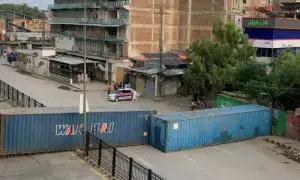
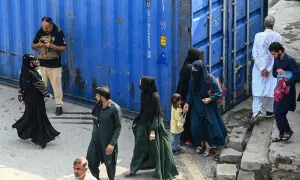
THE reports and images emerging from Afghanistan are very disturbing. People selling their belongings and possessions in Kabul to make ends meet is now a common sight but the most disconcerting are reports that impoverished parents are selling off their babies to buy food. Such is the level of desperation in the impoverished country. Beset with severe drought and water shortage, the situation in Afghanistan could not be more dire. It demands the urgent intervention of the international community. Food is short, while medical supplies are fast drying up. With the winter season setting in, the situation will worsen in large parts of the county. The UN World Food Programme has called for urgent action to protect millions of Afghans from starvation. It has warned that over 22.8m Afghans, who constitute nearly half the total population, are facing food insecurity while 3.2m children under the age of five can suffer from acute malnutrition. This is a country where only 5pc of the people have enough food to survive, according to reports. “Afghanistan is now among the world’s worst humanitarian crises, if not the worst,” WFP executive director, David Beasley said in a statement. “We are on a countdown to catastrophe,” he warned.
At a donors’ conference in September, the world community pledged $1bn in humanitarian assistance — a third of which was to go to the WFP. But, said the UN body, the sum of money pledged to provide food to the hungry, amounted to “a drop in the ocean”. The WFP said that it needed as much as $220m per month to help stave off death due to hunger. Tragically however, the world seems largely indifferent. Aid is too little and too slow, as the world powers continue to debate whether or not to recognise the Afghan Taliban or how best to channel humanitarian assistance without it falling into the hands of the new hard-line rulers. The response from the international community has thus been lukewarm, even downright cold, despite the unfolding human tragedy in a country that has known nothing but wars for the last four decades. The international community must realise that this indifference may result in chaos leading to internal strife and civil war, the consequences of which would be disastrous for the world beyond Afghanistan. This is a race against time. Countries must step in to shoulder their responsibility and to address Afghanistan’s latest disaster.
Published in Dawn, October 28th, 2021