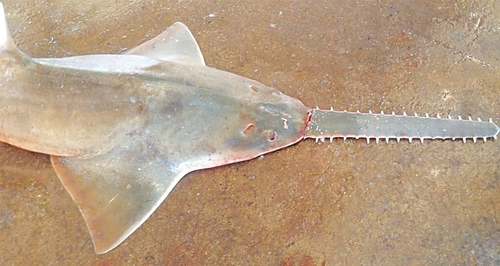
Komodo dragon, two shark species lurch towards extinction


 1
1
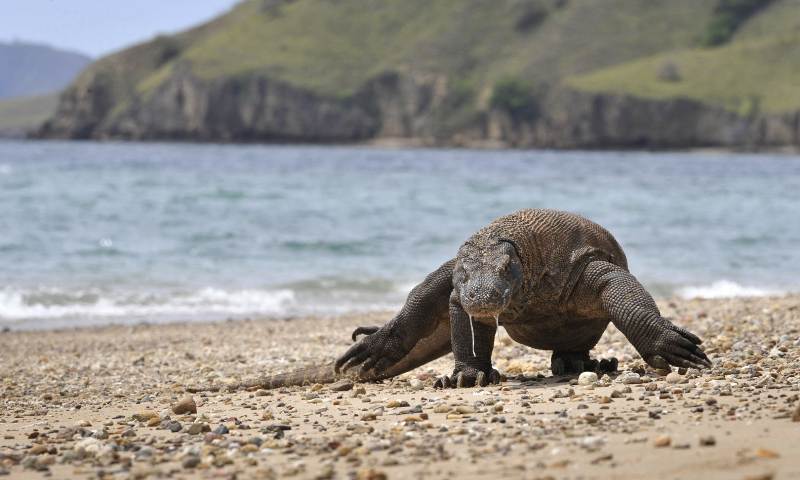

MARSEILLE: Trapped on island habitats made smaller by rising seas, Indonesia’s Komodo dragons were listed as “endangered” on Saturday, in an update of the wildlife Red List that also warned overfishing threatens nearly two-in-five sharks with extinction.
About 28 per cent of the 138,000 species assessed by the International Union for the Conservation of Nature (IUCN) for its survival watchlist are now at risk of vanishing in the wild forever, as the destructive impact of human activity on the natural world deepens.
But the latest update of the Red List for Threatened Species also highlights the potential for restoration, with four commercially fished tuna species pulling back from a slide towards extinction after a decade of efforts to curb overexploitation.
The most spectacular recovery was seen in the Atlantic bluefin tuna, which leapt from “endangered” across three categories to the safe zone of “least concern”.
The species — a mainstay of high-end sushi in Japan — was last assessed in 2011.
“These Red List assessments demonstrate just how closely our lives and livelihoods are intertwined with biodiversity,” IUCN Director General Bruno Oberle said in a statement.
A key message from the IUCN Congress, taking place in the French city of Marseille, is that disappearing species and the destruction of ecosystems are no less existential threats than global warming.
At the same time, climate change itself is casting a darker shadow than ever before on the future of many species, particularly endemic animals and plants that live uniquely on small islands or in certain biodiversity hotspots.
Komodo dragons — the world’s largest living lizards — are found only in the World Heritage-listed Komodo National Park and neighbouring Flores.
The species “is increasingly threatened by the impacts of climate change” said the IUCN: rising sea levels are expected to shrink its tiny habitat at least 30pc over the next 45 years.
Outside of protected areas, the fearsome throwbacks are also rapidly losing ground as humanity’s footprint expands.
Published in Dawn, September 5th, 2021