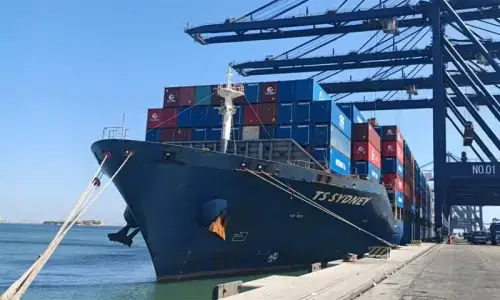
PAKISTAN’S purchase of expensive LNG cargoes for the September-October delivery in less than three weeks after cancelling cheaper deals underlines the government sector’s limited capacity to predict markets. At a just under-average rate of $15.5 per mmBtu, it is the most expensive spot purchase of gas by the country since the previous government started importing LNG to fill the growing supply gap in 2015. Ironically, the authorities had rejected the bids ranging between $13mmBtu and $16mmBtu recently when the global LNG market began increasing on growing supply disruptions. Surprisingly, the bids priced between $13.79mmBtu and $13.99mmBtu from Qatar were also called off in the hope of getting lower offers later despite clear signs of surging global demand. The decision was apparently based on the reading of the European markets where plummeting gas prices had caused the rates in Asian markets to drop. But not for long.
The authorities have defended the spot purchases of gas at higher rates, terming it the lesser evil. “Pakistan LNG Ltd … was forced to accept four LNG ‘spot’ tenders at $15.4 per mmBtu for September 2021; otherwise, the replacement fuel (furnace oil), which is even more expensive, would have resulted in September power prices higher by at least 20pc,” said the Petroleum Division. But the argument that “no one, without a crystal ball, can perfectly time or beat an international commodity market” is weak. While it is correct that there is no perfect way of predicting the markets, it is equally true that the private sector is much better equipped to anticipate the market direction. Besides, the private sector also has the capacity to take quick decisions based on its reading of market dynamics. Impeded by regulations, governments do not have such a facility. It is not the first time the authorities have made a mess, putting an additional burden on consumers. Last summer, they couldn’t book cheaper, advance cargoes when prices were down, and paid much higher costs during winter when demand was at its peak. The fact is that the LNG business is hugely mismanaged by the bureaucracy. State agencies don’t have the experience or capacity to handle it, causing people to suffer. The sooner the government removes the impediments blocking the private sector’s involvement in the LNG market the better it will be for consumers and the national exchequer. The private sector will bring gas at cheaper rates without causing financial risk to the government.
Published in Dawn, August 2nd, 2021