KARACHI: On the eve of the World Day Against Child Labour, the Hari Welfare Association (HWA) regretted that children are still engaged in the worst forms of labour under indecent and inhumane living and working conditions in the province because of the non-implementation of the Sindh Right of Children to Free and Compulsory Education Act, 2013, Sindh Bonded Labour System Abolition Act, 2015, Sindh Prohibition of Employment of Children Act, 2017, Sindh Child Protection Authority Act, 2011, and Sindh Tenancy Act, 1950.
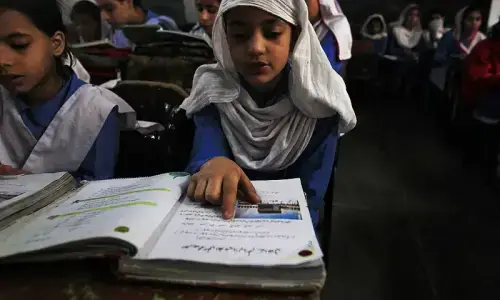
In a press release issued here on Friday, the HWA said that in Sindh, 6.4 million children were out of school, and their vast majority was engaged in labour.
“The HWA estimates that there are about 1.7 million bonded labourers in Sindh; of these, over 700,000 children are bonded labourers working under indecent and inhumane working and living conditions imposed by their landlords in the agriculture sector.
“According to data collected by the HWA, from 2013 to 2020, on the orders of courts in Sindh, 3,030 children, including a few week-old minors, were released along with their families from the custody of landlords in the agriculture sector. In 2020, 915 children were released,” the press release added.
Peasants’ body demands effective implementation of relevant laws
“Besides the agriculture sector, children under 15 years of age are exploited, abused, and tortured in bangle, brick kiln, fisheries, auto workshops, cotton picking, and chilli picking sectors/activities in the province, but labour inspectors, social welfare officers, and child protection officers do not reach and rescue them.
“These children often work as helping hands to their adult family members and are not paid for their labour. However, if they are provided wages, these are extremely low.”
The HWA said that increasing child labour was not an outcome of poverty. However, those children caused to expand the vicious cycle of poverty, and their labour also reinforced discrimination and social inequality.
“The HWA also regrets that the Covid-19 pandemic has added more to the miseries of children and their families. Because of non-availability of work for adults, inflation, and low-paid work, low-income families have increasingly pushed their children to join hazardous labour. According to the Sindh Right of Children to Free and Compulsory Education Act, it is a crime not to send a child below 16 years of age to school. However, government officials do not take action to bring children to school.”
The HWA said the government and the line agencies lacked the commitment and will to implement laws and end miseries in children’s lives.
The HWA demanded that the government and the relevant departments should take the matter seriously and help children reach school rather than the workplace, where they were abused, exploited and tortured.
Published in Dawn, June 12th, 2021