1
1

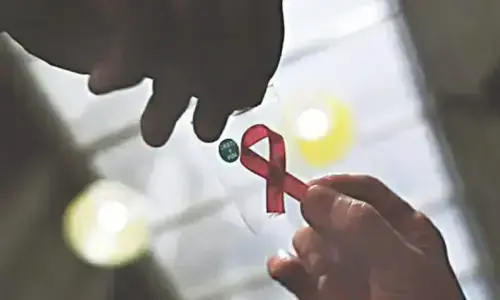
AS countries around the world grapple with the deadly third wave of Covid-19 and we witness the horrific devastation across the border, it is easy to forget about other prevalent infections and their damaging impact on countless lives. While millions wait desperately for any brand of the Covid vaccine, there are many who have little awareness of the necessity of routine vaccinations that can prevent common illnesses such as measles and polio. They thus end up endangering the lives of their children. In fact, it emerged at an event recently organised by the Ministry of National Health Services in connection with World Immunisation Week (observed in the last week of April every year) that vaccination provided under the government’s Expanded Programme of Immunisation can prevent 17pc of fatalities among young Pakistani children. The EPI provides free essential immunisation for children up to 15 months of age. This set of inoculations prevents 11 illnesses: tuberculosis, polio, measles, diphtheria, whooping cough, tetanus, haemophilus influenza type B, hepatitis B, diarrhoea, pneumonia and typhoid.
Poor vaccination coverage results in thousands of deaths of small children and infants who have not received adequate care at home or in public hospitals that often lack proper medical services. This gaping hole in our healthcare system is preventing us from achieving SDG 3 that relates to infant and child mortality. While matters have slowly improved over the years, the mortality rate still remains high — as many as 67 children out of 100,000 die before their fifth birthday. Unfortunately, poor facilities and the government’s apathy have taken us to a point where many illnesses that have been eradicated in the rest of the world, such as polio, are still prevalent in Pakistan. The lives of thousands of children can be saved through vaccines that are part of our routine immunisation programme. Unfortunately, free immunisation on its own is not enough if there is no attempt on the part of our health authorities to make vaccines accessible to the public and to educate the latter on their importance.
Published in Dawn, May 4th, 2021