The Hindu temple that has Muslims among its devotees



LAHORE: The Hinglaj Devi Temple, some 200km west of the city of Karachi in the desert of Balochistan, is known for Hindu goddess Hinglaj but it’s a common place for the Hindus and the Muslims who have been visiting the place for centuries.
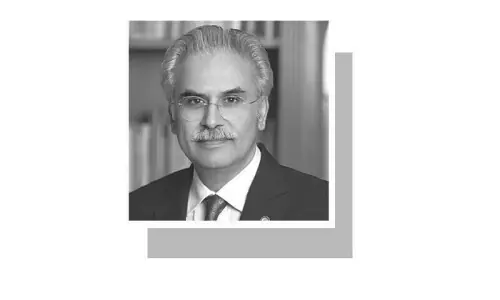
Jürgen Schaflechner, an assistant professor at the Department of Modern South Asian Languages and Literature, South Asia Institute, University of Heidelberg, has written an extensive book on the temple titled, ‘Hinglaj Devi Identity, Change, and Solidification at a Hindu Temple in Pakistan’.
In a session at the Lahore Literary Festival (LLF), Schaflechner, in conversation with Sikander Bizanjo, revealed various aspects of the temple, including the architectural, cultural and religious value of the place.
He said it was an important place for many communities, including the Hindus and Muslims. Earlier, it was very difficult to reach the site but it had become easily accessible after construction of the Makran Coastal Highway. For many pilgrims, according to the writer, the preference was a pilgrimage on foot as many of them believe that the more pain they would go through to reach the temple, the more goodness they would get from the goddess.
Giving an example in this regard, Mr Schaflechner said the people of the area went to other shrines, including Hinglaj Temple, barefoot covering long distances on foot. An annual festival at Hinglaj was also held for the last three decades, in part because of the construction of the Makran Coastal Highway, which connected the distant rural shrine with urban Pakistan.
In his book, the writer encompassed literary sources of Hindi, Sanskrit, Sindhi, and Urdu alongside extensive ethnographic research at the shrine, examining the political and cultural influences at the temple and tracking the remote desert shrine’s rapid ascent to its current status as the most influential Hindu pilgrimage site in Pakistan.
Published in Dawn, February 22nd, 2021