Pakistan pins hopes on progress in intra-Afghan dialogue



ISLAMABAD: Pakistan on Monday said that progress in intra-Afghan dialogue would lead to a reduction in violence.
Foreign Minister Shah Mahmood Qureshi, in a telephone conversation with his Afghan counterpart Hanif Atmar, expressed concern over increasing violence in Afghanistan and called for progress in the ongoing intra-Afghan talks in Doha.
According to the Foreign Office, Mr Qureshi said that progress in the dialogue would “facilitate reduction in violence, leading to ceasefire”.
It has been almost three weeks since the second round of talks started in Doha, focusing on setting the agenda for the negotiations, but hardly any progress is visible. Meanwhile, violence has been surging in Afghanistan, which could potentially undermine the peace process.
The snail-paced process, which started in September last year, and the accompanying violence has caused Afghans to lose hope in it. President Ashraf Ghani and other Afghan officials have started publicly expressing their misgivings.
The Afghan foreign ministry had a day earlier called for pressuring Taliban to reduce violence.
It said: “We expect Pakistan government and all our international partners to force the Taliban to acknowledge their commitment to reducing violence, ensuring a countrywide ceasefire and cutting their ties with terrorist groups to create grounds for meaningful peace and political agreement.”
The Afghan statement came after a conversation between the new US National Security Adviser Jake Sullivan and his Afghan counterpart Hamdullah Mohib, in which the former hinted at the review of the deal signed with the Taliban in last February.
US National Security Council spokesperson Emily Horne had said that the new administration wanted to see if Taliban were “living up to their commitments to cut ties with terrorist groups, to reduce violence in Afghanistan, and to engage in meaningful negotiations with the Afghan government and other stakeholders”.
Kabul wants Taliban to immediately agree to a ceasefire, whereas Taliban fear that doing so would cause them to lose an important leverage in talks.
While emphasising the significance of the Intra-Afghan Negotiations, Mr Qureshi told Mr Atmar that the process had provided a window of opportunity for return of lasting peace in Afghanistan.
Pakistan, he said, would continue to play its positive role towards supporting the Afghan peace process and strengthening bilateral relations with Afghanistan.
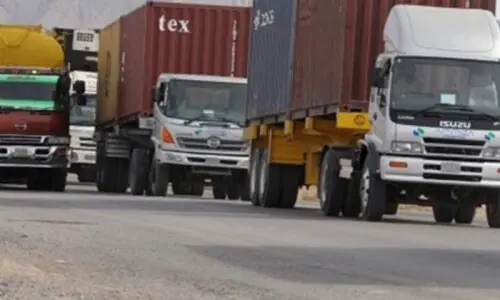
He also spoke of trade ties and told Mr Atmar about Prime Minister Imran Khan’s proposal for establishment of ‘Border Sustenance Markets’ for boosting up local trade and economic activity in border regions.
Mr Qureshi expressed the hope that an MoU in this regard would be finalised soon.
He also raised the issue of Pakistani prisoners who had been languishing in Afghan jails over minor crimes. He expressed the hope that prisoners would soon be released as per the presidential decree, providing them an opportunity to come back to Pakistan and reunite with their families, the Foreign Office said.
Published in Dawn, January 26th, 2021