Goods transporters to go on strike from Saturday after talks with govt fail
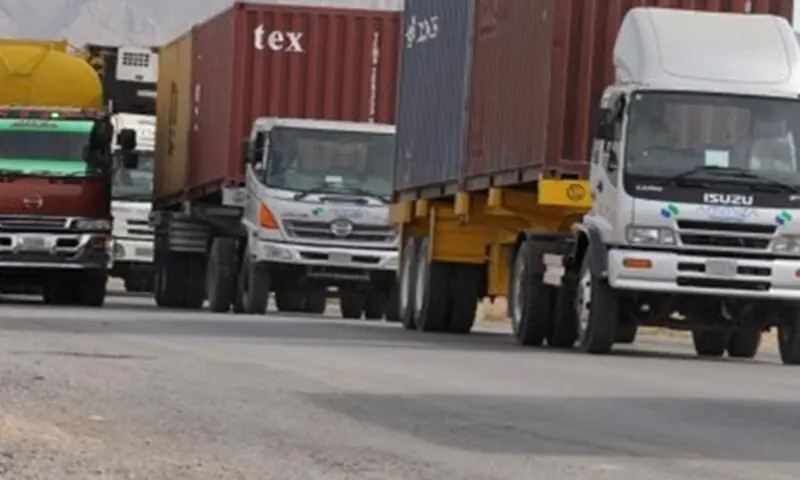


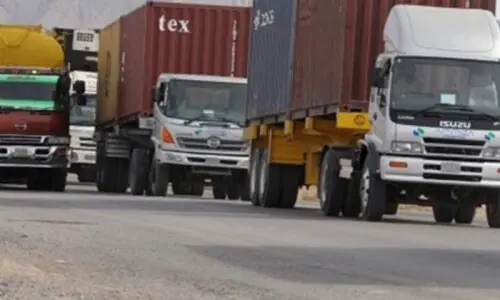
Goods transporters and oil tanker operators began suspending their services on Friday night after negotiations with the government failed, ahead of their nationwide wheel-jam strike scheduled for Saturday.
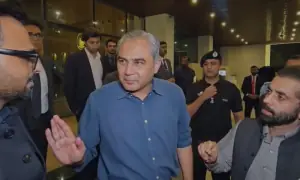
All Pakistan Goods Transport Itehad spokesman and All Pakistan Goods Transport Owners Association President Mohammad Owais Chaudhry Advocate told Dawn that talks with Federal Minister for Communications Aleem Khan and other government officials had failed.
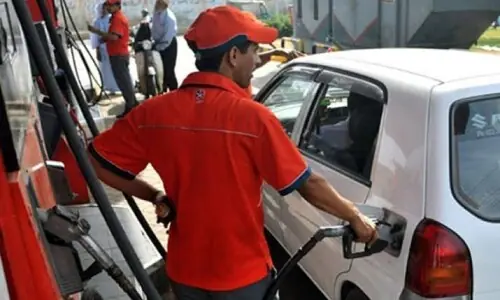
He said the negotiations ended without a breakthrough, prompting transporters, including edible oil tanker operators, petroleum oil tanker operators, truckers, trailer operators and other intercity transporters, to proceed with their previously announced strike.
“We have informed the government side about the problems we are facing and our concerns,” Chaudhry said, adding that the strike would continue until their demands were accepted.
However, the minister has assured the transporters that he would discuss their demands, and the next round of talks would be held on Monday morning.
The unified body of transporters had already announced that it would begin its wheel-jam strike from August 8, and warned that it would not be a token strike but an indefinite one.
“Commercial goods carriers across the country have already been taken off the roads and will remain stationed at designated places during the protest period,” Chaudhry said.
Among the key demands of the transporters is the uniform enforcement of axle-load limits across the country and permission for 10-wheel vehicles to carry up to 35 tonnes.
They have also demanded reductions in diesel prices and toll taxes, besides seeking relief in withholding tax to ease the financial burden on the transport sector.
The transporters have also called for the withdrawal of customs provisions that, according to the association, allow authorities to confiscate vehicles carrying goods found to be in violation of customs laws.
Other demands include the withdrawal of the Punjab Highway Patrol’s powers to issue challans to commercial vehicles, an end to what the association described as unnecessary challans and excessive fines on motorways and highways, and measures to facilitate the issuance of heavy transport vehicle licences to drivers.