CAN we attribute the apparent decline in terrorism in 2020 to the erosion of extremist ideologies or to the militants’ physical and territorial losses? Successful intelligence-based operations have either eliminated hardened terrorists or pushed them across the border. The Afghan peace talks, Covid-19 and influx of militants from other conflict zones to Afghanistan have all influenced the current landscape. Besides looking at incidence rates, we need a fair evaluation of the capability, capacity and ideological appeal of terrorist groups.
Once organisationally intact, over time the Tehreek-i-Taliban Pakistan split into factions. Mullah Fazlullah’s death has once again shifted the TTP’s command from the Swati to Mehsud group. Mufti Noor Wali’s ascendancy as emir redefined the TTP’s priorities. Besides resolving inherent factionalism, these now include reconsolidation and searching for new partners.
In August, two breakaway factions, Jamaatul Ahrar and Hizbul Ahrar, rejoined the TTP. This development speaks of Noor Wali’s ‘reconciliation’ efforts. The TTP’s new priorities have also led to reported collaborations with ethnic sub-nationalist groups in Sindh and Balochistan, which not only undermine the TTP’s ideological posture but also speak of its desperation.
Though the major kinetic battle seems almost over, ground realities suggest that the global war against terrorism has entered another prolonged phase of violent extremism. Military operations, target hardening and border fencing have established the writ of the state in weakly governed areas, leading to a significant reduction in the frequency and lethality of attacks. But to regain lost space and influence, these groups may form alliances or merge with each other.
How has terrorism evolved in 2020?
The future relationship of the TTP and Afghan Taliban will likely remain limited to ideological linkages or operational collaboration. Though the TTP and Daesh (IS) are poles apart, collaboration may not only give the TTP a boost but also provide it access to technology and weapons, while Daesh may benefit from the TTP’s dormant networks and geographical knowledge.
Sectarian and regional influences remain active in pockets of Balochistan, Khyber Pakhtunkhwa and Karachi, though there’s been a shift from suicide to IED attacks. This raises several questions. Have they exhausted their reserves of would-be suicide bombers or are they trying to maintain their armoury? Are they facing problems in recruiting or financing? Is it because the masterminds were killed or the motivational speakers neutralised?
Terrorists have also transitioned from a blow-and-kill to a fight-and-die strategy. By targeting the Pakistan Stock Exchange in June, militants tried to undermine public as well as foreign investor confidence. The Peshawar madressah bombing and attacks in Kabul indicate that education institutions are now high-priority targets. Besides attacking the youth, they seek to exploit sectarian fault lines. ‘Impact generating’ activities are the new priority. To retain the sympathies of common folk, they continue to mainly target LEAs and security personnel.
There have been other changes. With people spending more time online in 2020, extremists are trying to gain influence in cyberspace. And while, historically, weather has determined the fighting season in Afghanistan, in recent times militants have tried to maintain pace throughout the year.
Since 9/11, 78 groups have been notified as proscribed organisations. In 2020, five groups (three ethnic separatist and two sectarian) were proscribed. Monitoring such groups is a concurrent jurisdiction where multiple departments collaborate. Pakistan has tried to maintain transparency and synchronise its efforts with international practices. It also made improvements to the surveillance and revision of persons placed under the Fourth Schedule of the Anti-Terrorism Act. Presently 3,234 persons are on the list while previously there were 6,660. This reduction speaks of the transparency and improved working of CTDs.
In erstwhile Fata, besides intensified hard options, soft interventions coupled with local administrative reforms and community engagement will earn positive dividends. In Balochistan, establishing cadet colleges and youth skills development plans will help counter extremism. Biometric verification of SIMs has also proved effective. This should be revised to limit ownership to two SIMs per person. To counter foreign narratives, FM radio stations must be made functional in the tribal districts.
The six-year-old National Action Plan needs to be revised to facilitate stakeholders and readjust operational priorities. In the ongoing battle, adaptability and innovation will enable states to defeat terrorism. But success will not be possible without public empowerment and engagement in countering violent extremism.
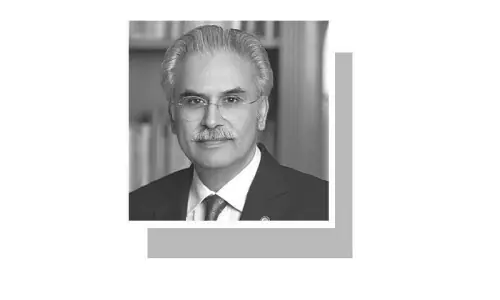
The writer is author of Pakistan: In Between Extremism and Peace.
Twitter: @alibabakhel
Published in Dawn, December 5th, 2020