Stakeholders await new auto policy

KARACHI: The Ministry of Industries (MoI) has assured auto stakeholders that consultation on the new policy would begin shortly as the government is committed to finalise the framework in March 2021.
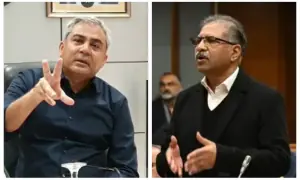
The industry has pinned its hope on the new auto policy — due in 2021 — to reduce taxes which would bring down car prices and provide relief to the customers, CEO Indus Motor Company (IMC), Ali Asghar Jamali told newsmen on Thursday.
“The government is diligently working to uplift the economy and has a realisation that auto sector can be the biggest contributor in it,” he said.
The Auto Policy 2016-2021, which is expiring next year, had attracted many new entrants from China and Korea who invested heavily in the sector. “We have been advocating the significance of predictable, long term and transparent policy,” Jamali said.
On the menace of ‘on money’ (premium), he said the industry has urged the government to impose a transfer tax on new vehicle if sold within six months of delivery. This would also discourage the on money business.
All the auto manufacturers incurred huge losses from April to June due to Covid-19 this year and not a single vehicle were produced by all three assemblers.
However, no employee was laid off and the IMC provided interest free loans to its dealers and vendors, he said.
Sale momentum started picking up from July. Due to overwhelming demand of cars and other vehicles, IMC had started double shift from September for which it had hired 600 people. One assembly of vehicle creates at least six jobs at different levels from manufacturing to logistics, after sales and dealership as well as secondary market, he elaborated.
“Double shifts would help meet the demand, reduce delivery time of vehicles and vanish on money from the market,” he said while urging the customers to be patient and wait for deliveries instead of paying premiums.
On the electric vehicle policy, he said the industry has suggested the government that the policy should focus on “Make in Pakistan” as very few parts need concession while the rest of the vehicle parts are already being made in Pakistan.
He said IMC is planning to launch imported Toyota Corolla Cross in December. The auto sector is the biggest taxed sector with taxes comprising 40 per cent of vehicle prices on an average, making cars unaffordable for a large section of the society especially with increasing inflation.
Published in Dawn, October 30th, 2020