Rs10m grant to research immunity, genetics of Covid patients
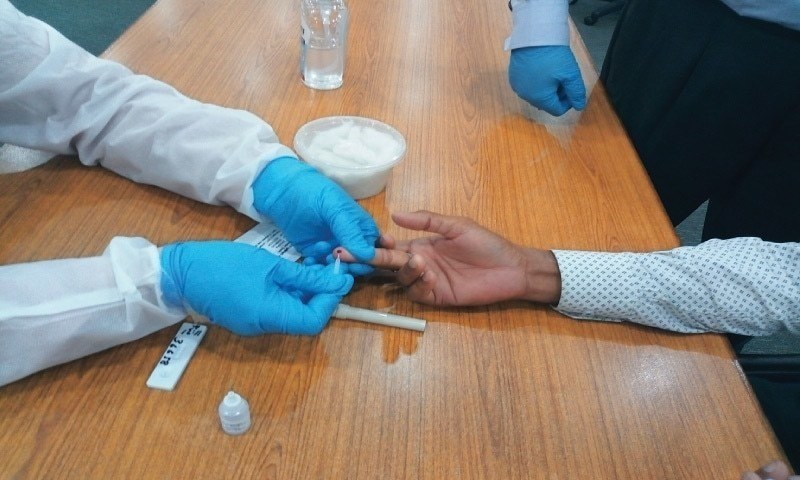
LAHORE: The Higher Education Commission (HEC) has approved Rs10.3 million research funding for a project of the University of Health Sciences (UHS) that will trace “immunological, viral and genetic basis of Covid-19 in local patients”.
The funding is approved under the Rapid Research Grant initiative, launched by the HEC with the support of the World Bank.
The principal investigator of this project, which would take a year to complete, is UHS Immunology Department’s Associate Professor Dr Shah Jahan.
Dr Shah Jahan said that besides other things, his team wanted to know if certain genetic differences might separate people who fell severely ill with Covid-19 from those who contracted the infection but hardly developed any symptoms.
“Genetics can explain why some Covid-19 patients fare worse than others,” he said, adding that his project would mainly focus on immune pattern and genetics of local patients.
He further said that many factors were involved in the pathogenesis of Covid-19 in Pakistan, including host immunity and genetic response to viral infection.
UHS Immunology Department head Prof Nadeem Afzal, who is one of the investigators, elaborated that the immune system could react to viruses, partially because of specific genes that helped cells spot unfamiliar bugs when they entered the body.
The genes, known as human leukocyte antigen (HLA) genes, contained instructions to build proteins that bind to bits of a pathogen; those proteins serve as warning flags to alert immune cells.
The immune cells, once trained to recognise these bits, jumpstart the process of building antibodies to target and destroy the invasive germ.
“If someone was previously exposed to a virus and had the right HLA types then it is theoretically possible that they could also generate an earlier immune response against the novel Sars-CoV-2,” Prof Afzal said.
Dr Jahan said the immunological changes, antibodies level in different patients groups with HLA typing, Cytokines level and expression of genes involved in immunity would be studied in Covid-19 patients with mild and severe symptoms, who were hospitalised or otherwise, as compared to a normal, healthy population to find therapeutic targets and immune modulators that were important in coronavirus infection.
Calling UHS Vice Chancellor Prof Javed Akram the real impetus behind the project, Dr Shah Jahan said that research would involve sequencing of Sars-CoV2 strains and host genes from different infection clusters in Punjab, including Islamabad, Peshawar Karachi, Lahore, Gujrat, Jehlum, Rawalpindi and Multan.
Published in Dawn, August 22nd, 2020