Top UN official warns of malicious emails on rise in pandemic
UNITED NATIONS: The UN disarmament chief warned on Friday that cybercrime is on the rise, with a 600 per cent increase in malicious emails during the Covid-19 pandemic.
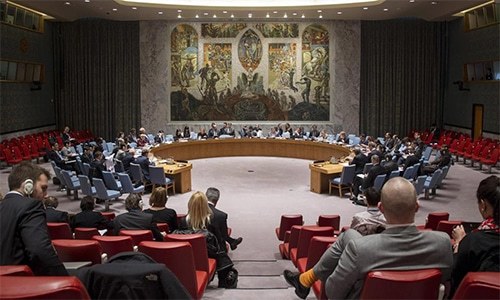
Izumi Nakamitsu told an informal meeting of the UN Security Council that the coronavirus crisis is moving the world towards increased technological innovation and online collaboration. But she said there have also been worrying reports of (cyber) attacks against health care organisations and medical research facilities worldwide.
The high representative for disarmament affairs said growing digital dependency has increased the vulnerability to cyberattacks, and it is estimated that one such attack takes place every 39 seconds.
According to the International Telecommunication Union, she said, nearly 90 countries are still only at the early stages of making commitments to cybersecurity.
Nakamitsu said the threat from misusing information and communications technology is urgent.
But she said there is also good news, pointing to some global progress at the United Nations to address the threats by a group of government expert who developed 11 voluntary non-binding norms of responsible state behavior in the use of such technology.
Estonia’s Prime Minister Juri Ratas, whose country holds the Security Council presidency and organised Friday’s meeting, said the need for a secure and functioning cyberspace is more pressing than ever. He condemned cyberattacks targeting hospitals, medical research facilities and other infrastructure, especially during the pandemic.
Those attacks are unacceptable, Ratas said. It will be important to hold the offenders responsible for their behaviour.
Russia did not attend the informal council meeting broadcast online, which was the centerpiece of Estonia’s council presidency. The other 14 council nations did, along with about 50 other nations that spoke.
Russia’s UN Mission said in a statement on its website that it did not attend because Estonia, the UK and the US violated the established practice that all council members attend informal meetings regardless of whether they approve or disapprove its topic.
The three countries did not attend a Russian-sponsored informal meeting on Crimea on Thursday. All three oppose Russia’s seizure and annexation of Crimea from Ukraine.
In March, the US, UK, and Estonia accused Russia’s military intelligence of conducting cyberattacks against the government and media websites in Georgia, calling the attacks part of a continuing pattern of reckless ... cyberoperations against a number of countries that clearly contradict Russia’s attempts to claim it is a responsible actor in cyberspace.
Estonia was the target of a massive three-week cyberattack during a dispute with Russia in 2007 over Estonia’s removal of the Bronze Soldier Soviet war memorial from the center of the capital, Tallinn. The attack disabled the websites of government ministries, political parties, newspapers, banks and companies.
Since then, Estonia has built its cyber defences and become one of the most wired societies in Europe and a pioneer in the development of e-government. Being highly dependent on computers, it is also highly vulnerable to cyberattack.
Russia has taken on the issue of cybercrime at the United Nations, and won General Assembly approval in December for a resolution that will start the process of drafting a new international treaty to combat cybercrime over objections from the European Union, the US and others. They said it would undermine international cooperation to combat cybercrime.
Published in Dawn, May 24th, 2020