For decades, Muslim-majority Malaysia welcomed Rohingya and largely turned a blind eye to their technically illegal employment in low-paying jobs.
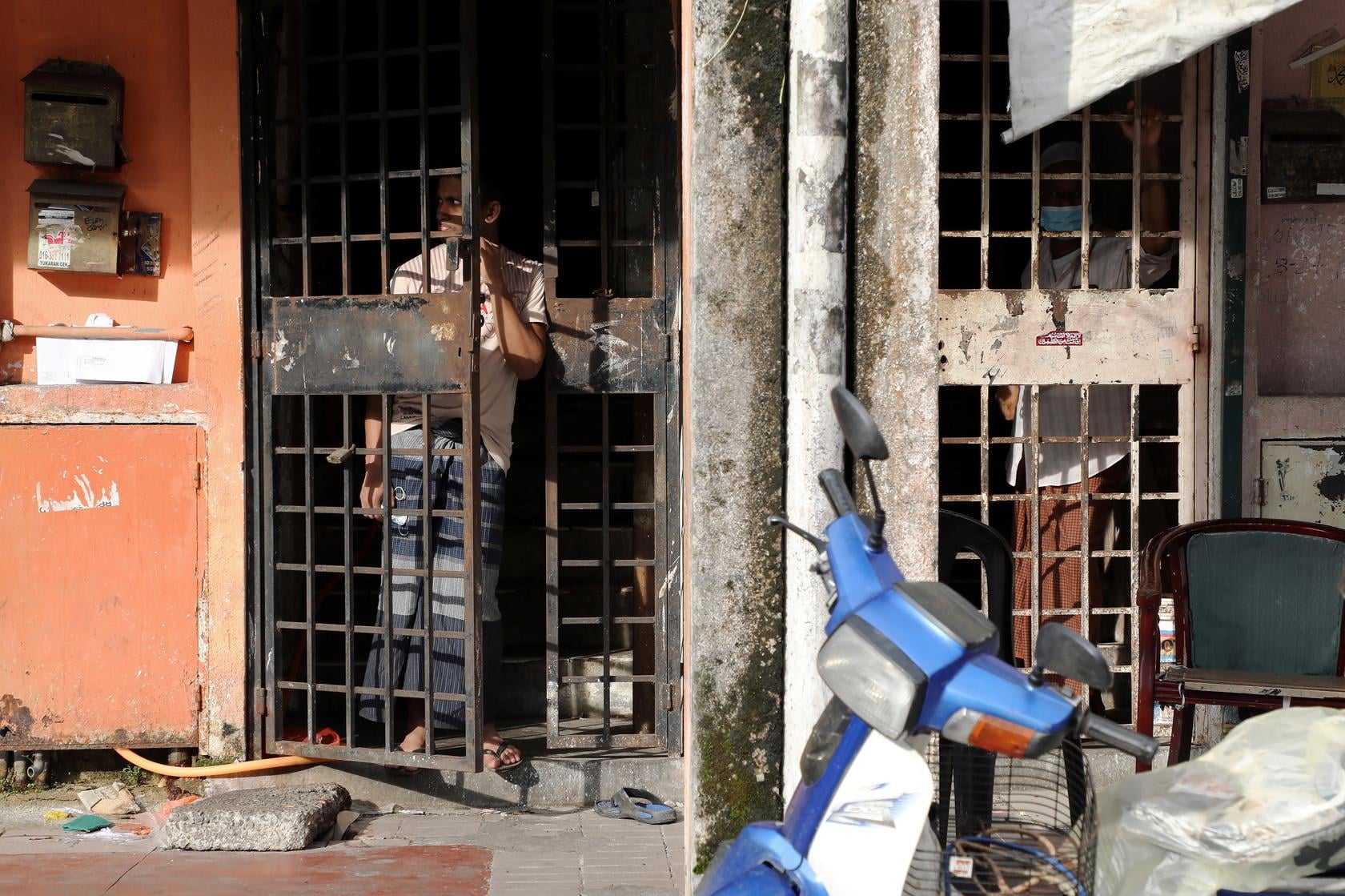
Rohingya refugees look out from their homes, amid Covid-19 outbreak, in Kuala Lumpur, Malaysia. May 18. — Reuters

But, as in some other parts of the world, the novel coronavirus outbreak has turned sentiment against foreigners, who have been accused of spreading disease, burdening the state and taking jobs as the economy plummets.

While the Rohingya have been the most obvious targets, other migrants are also worried in a country that relies heavily on foreign labour at factories, construction sites and plantations.

Read the full Reuters story here.

Opinion

Editorial

A new deal
Updated 16 Jun, 2026

A new deal

AFTER three and a half months of war between US-Israel and Iran and an acrimonious temporary ceasefire, a genuine...
Charter of economy
16 Jun, 2026

Charter of economy

NO one expected the PTI to accept the government’s invitation to sign a charter of economy; just as few expected...
Hostage seamen
16 Jun, 2026

Hostage seamen

SOME 50 days on, 11 Pakistani nationals are still in Somali pirates’ captivity. Their appeals to the Pakistani and...
Climate choices
Updated 15 Jun, 2026

Climate choices

The country is confronting increasingly volatile weather patterns with consequences for agriculture, infrastructure, public health and economic planning.
Brief opening
15 Jun, 2026

Brief opening

WE have been here before. Throughout the weekend, there was great anticipation that a tentative framework for peace...
Environmental disaster
15 Jun, 2026

Environmental disaster

IT was a heartbreaking sight. A recent news report in these pages carried a picture of a sea turtle lying half ...