Virus could cause cancellation of 28 million surgical operations worldwide: study
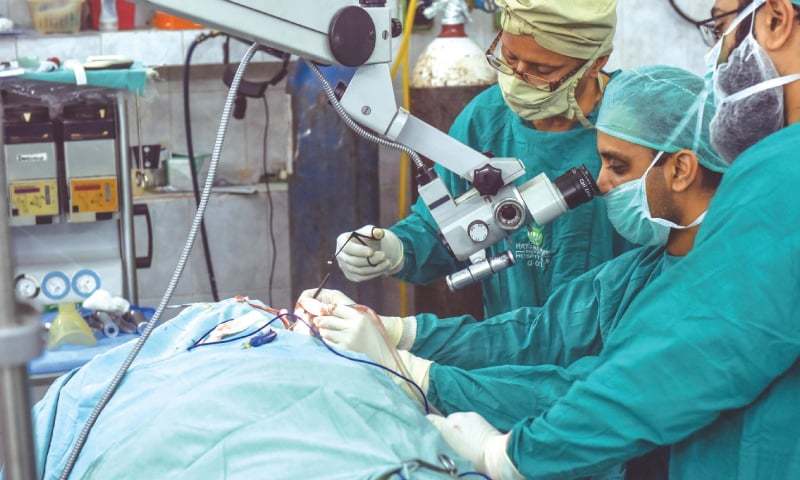

PARIS: Some 28.4 million planned surgical operations could be cancelled or postponed globally due to the new coronavirus pandemic, according to new research warning that huge backlogs risk “potentially devastating” consequences for patients and health systems.
The study, published this week in the British Journal of Surgery, modelled the expected number of elective operations that would be put on hold in 190 countries during a 12-week peak of Covid-19 disruption.
Hospitals in countries grappling with major coronavirus outbreaks have postponed most non-emergency procedures to avoid putting patients at risk, redeploying staff and resources to the virus response.
Researchers from the COVIDSurg Collaborative, an information-sharing network of surgeons and anaesthetists in 77 countries, estimated that some 2.4m operations would be cancelled per week in the period, or 28.4m in total. They called on governments to urgently develop recovery plans to clear the backlog of surgeries and prepare for possible further waves of Covid-19 infection.
“Cancelling elective surgery at this scale will have substantial impact on patients and cumulative, potentially devastating consequences for health systems worldwide,” the authors said.
“Delaying time-sensitive elective operations, such as cancer or transplant surgery, may lead to deteriorating health, worsening quality of life, and unnecessary deaths.” Globally, around 82 per cent of benign surgeries, 38 per cent of cancer operations and around a quarter of elective Caesarean sections would be cancelled or postponed, the study found.
It said that it would take an average of 45 weeks to clear the backlog, assuming that countries boost their normal surgical volume by 20 per cent. The researchers used survey data from specialists at 359 hospitals in 71 countries, as well as information on normal surgery rates to model the likely effect across 190 countries.
Their estimate that the peak surge of infections would last around 12 weeks was based on the experience of China’s Hubei province, where the virus emerged.
Published in Dawn, May 16th, 2020