Crowds, traffic jams as markets open across Pakistan with easing of lockdown


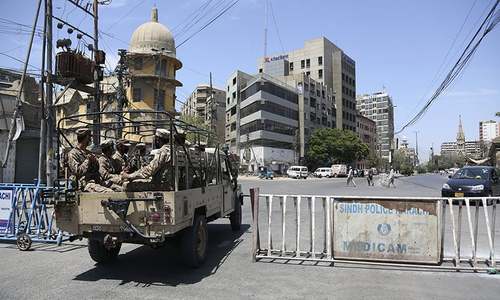
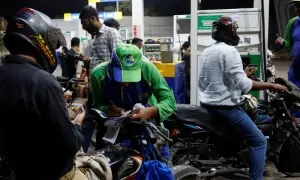
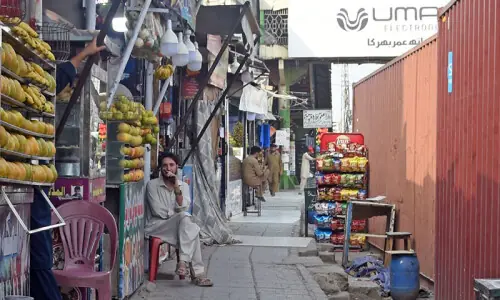
Markets across the country were teeming on Monday after opening up for the first time in over a month as the nationwide lockdown was eased despite a rise in the rate of coronavirus infections.
The government announced last week that it would begin a phased lifting of the lockdown because of the effect it was having on the economy and the workforce.
Public transport remains shut, but factories and offices have been allowed to resume operations. Restrictions on mosque attendance had already been lifted before last week's announcement.
Editorial: Is the government pursuing the policy of herd immunity?
“We opened today after almost two months; I am almost bankrupt and owe workers their salaries,” said Muhammad Sattar, a garment shop owner in one of the busiest commercial areas of Karachi.

Areas around wholesale markets in Karachi saw heavy traffic jams, and there were also big crowds in the commercial centres of Lahore and Quetta.
However, there are signs that Pakistan's outbreak is accelerating. Of the 690 deaths from the coronavirus, more than 200 have been registered over the past week, and there are over 31,000 confirmed infections.
Prime Minister Imran Khan last week justified easing the lockdown by saying: “We know we're doing it at a time when our [infection] curve is going up ... but it is not increasing [as fast] as we were expecting.” But he said the virus could run out of control if people did not take precautions.
Muttahida Qaumi Movement (MQM-P) leader Faisal Sabzwari tweeted his frustration with many citizens: “If 99 per cent, 95pc of shopkeepers and buyers are not wearing masks, what's the point of talking about other precautionary measures?”
Many doctors have said they fear the outbreak will gather pace and overwhelm the struggling health system.

Markets were also packed in Peshawar. Khyber Pakhtunkhwa has registered 257 dead and has the highest mortality rate in the country.
“I opened my shop for the first time today after locking it on March 24,” said Ghousul Azam, adding that he had a family to support. “Better to die of coronavirus, because I can't survive sitting at home.”
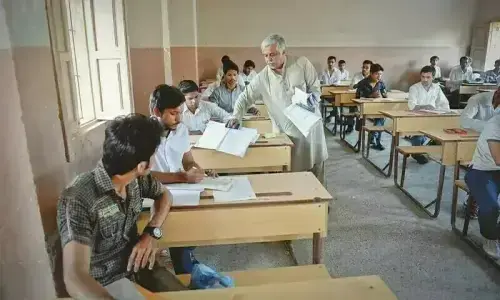
Schools and large shopping malls remain shut for now, and markets will initially be allowed to operate only until 5pm.
But with Eidul Fitr coming in two weeks, crowds are likely to increase.