SC hears govt's appeals against PHC setting aside sentences of those convicted by military courts

The Supreme Court on Monday — hearing over 70 appeals against the Peshawar High Court's (PHC) decision to acquit convicts sentenced by the military courts — directed the defence ministry to present a full record of the convicts and the charges against them.
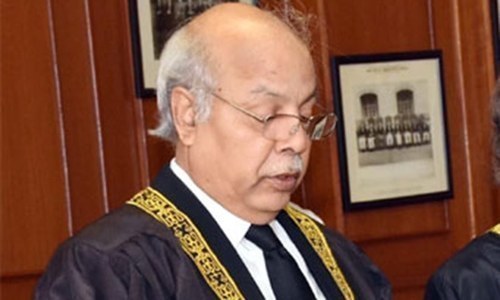
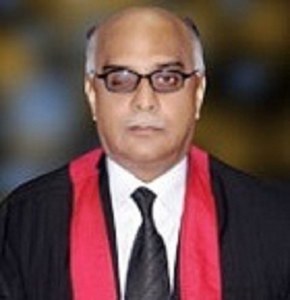
A three-judge bench, headed by Justice Mushir Alam, presided over the case. The court issued notices to the defence ministry.
In 2018, the PHC had ruled that punishments awarded to 74 convicts by military courts on charges of terrorism were wrongful and based on ill will.
A two-judge PHC bench, comprising Chief Justice Waqar Ahmad Seth and Justice Lal Jan Khattak, had set aside the convictions on grounds of “malice in law and fact”.
In its 173-page judgement, the high court had rejected confessional statements of the convicts after highlighting flaws, also questioning whether the right to a fair trial under Article 10-A of the Constitution was extended to the convicts or not.
According to Article 10-A, a person shall be entitled to a fair trial and due process for the determination of his civil rights and obligations or in any criminal charge against him.
In Nov 2018, the apex court had stayed the high court order with a directive to the jail superintendents concerned to halt the release of the accused who had received different sentences, including death, in a number of cases.
During the hearing today, the additional attorney general said that there are over 70 cases, each which different charges. "The cases are against individuals involved in militant activities from 2004 to 2015," he said.
"The PHC did not follow the rules laid down by the SC. After the trial, about five per cent of the accused were acquitted," he contended, adding that majority of the convicts were acquitted during the investigation process.
Justice Muneeb Akhtar asked whether there was any other evidence apart from the accused admitting to the charges.
The additional attorney general replied that if there is a court martial, the punishment is swiftly awarded. If the accused does not confess to the crime, a trial is initiated against him, he said.
The judge stated that if the government wants a full trial, it should inform the court of the evidence against the convicts.
"Fair trial is not only limited to Article 10-A of the Constitution. The government’s case rests on the fact that the PHC solely relied on Article 10-A in its decision," he observed.
The SC directed the defence ministry to present a consolidated record of the the convicts, the nature of the crime, the case number, and the evidence collected in a chart, and and adjourned the hearing indefinitely.