Taliban open to 10-day ceasefire with US, talks with Afghan government: report

The Taliban will implement a 10-day ceasefire with US troops, a reduction in violence with Afghan forces and discussions with Afghan government officials if it reaches an agreement with US negotiators in talks in Doha, two sources have said.
If an agreement is reached, the move could revive hopes for a long-term solution to the conflict in Afghanistan.
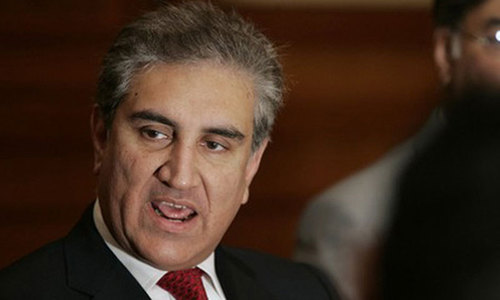
The news comes a day after Foreign Minister Shah Mehmood Qureshi said the Taliban have shown "a willingness" to reduce violence in war-torn Afghanistan after more than 18 years fighting the US, sparking speculation that a potential breakthrough in talks with the Americans may be near.
Taliban and US negotiation teams met on Wednesday and Thursday to discuss the signing of a peace deal, according to a spokesman for the Taliban office in Doha, Qatar.
The talks between the two sides were "useful" and would continue for a few days, the spokesman, Suhail Shaheen, said in a tweet early on Friday.
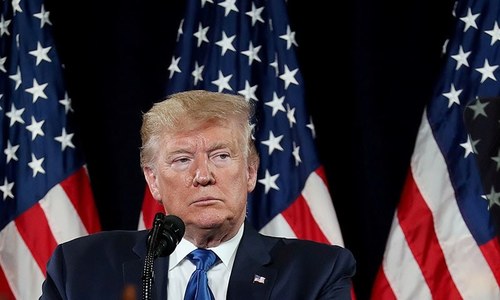
The stop-start talks between Taliban militants and the United States to end the 18-year war in Afghanistan were called off in September of last year by US President Donald Trump after an American soldier was killed in an attack by the Taliban.
Talks that had resumed after Trump visited US troops in Afghanistan in November were put on "pause" again the following month after the Taliban launched a suicide attack on a US base outside Kabul killing two civilians.
However, two sources close to the matter told Reuters on Wednesday that the Taliban's top leadership had discussed and agreed to implement a 10-day ceasefire with US troops once an agreement was signed with US officials in Doha, and "reduce" attacks against the Afghan government as well.
A senior Taliban commander said: "The US wanted us to announce a ceasefire during the peace talks which we had rejected. Our shura (council) has agreed to a ceasefire the day the peace accord is signed."
Once an agreement for the ceasefire is in place, the Taliban and Afghan government could meet face to face in Germany, said the commander. Previously, the Taliban had refused to engage in talks with the Afghan government.
"Our representatives have been meeting with the US negotiation team in Doha and they persistently demanded a ceasefire which we had declined due to some issues," the Taliban commander said.
"Now most of our reservations have been addressed."
Another source close to the talks confirmed the commander's version of events.
A date for the signing of the agreement with the US side has not been fixed, but the Taliban commander said he expected it to be "very soon". Both sources asked not to be named due to the sensitivity of the matter.
A US State Department spokeswoman declined to comment on the matter. The Pentagon referred queries to the State Department.
Officials in the Afghan Presidential Palace said they were unaware of any deal.
Violence in Afghanistan rose after the breakdown of talks in September of last year. The spike in attacks has led many to fear that chances of a peace agreement had faded.
The Taliban's readiness to reduce violence revives odds of the peace process moving forward before the Taliban launches what is usually an annual spring offensive around early April.