House votes to rein in Trump's war powers as US-Iran tensions stay high



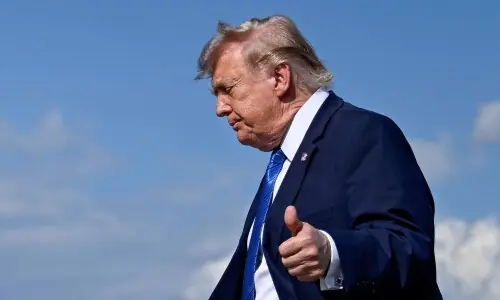
The US House of Representatives voted on Thursday to stop President Donald Trump from further military action against Iran as the Middle East remained tense after the US killing of a top Iranian commander and Iran's retaliatory missile strikes.
The resolution passed 224-194 along party lines in the Democratic-controlled House with nearly all Republicans opposed.
The measure orders termination of Trump's war powers to use US armed forces against Iran without Congress' consent.
The measure now goes to the Senate, which is controlled by Trump's Republican Party, and faces an uphill battle.
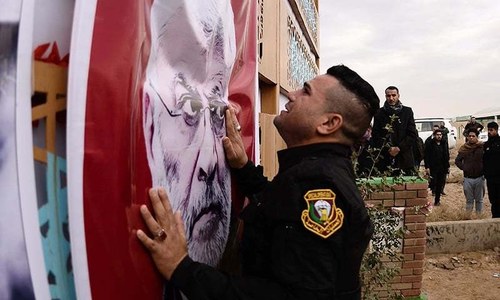
The vote came just hours after Trump said that Iranian military commander Qasem Soleimani was killed by a US drone strike in Iraq last week last because he had planned to blow up a US embassy.
Later, at a campaign rally in Toledo, Ohio, Trump said the leader of Iran's elite Quds force had been planning attacks on US embassies.
“Soleimani was actively planning new attacks and he was looking very seriously at our embassies and not just the embassy in Baghdad, but we stopped him and we stopped him quickly and we stopped him cold,” Trump said.
His remarks seemed to shed more light on what so far have been largely vague descriptions of the intelligence that drove Trump's conclusion that killing Soleimani and disrupting his plots would be better than any fallout Washington may face.
A White House spokesman called the House passed war powers measure “ridiculous” and politically motivated. The measure “could undermine the ability of the United States to protect American citizens whom Iran continues to seek to harm,” an administration policy statement said.
But if passed by the Senate, the measure does not need Trump's signature to go into effect.
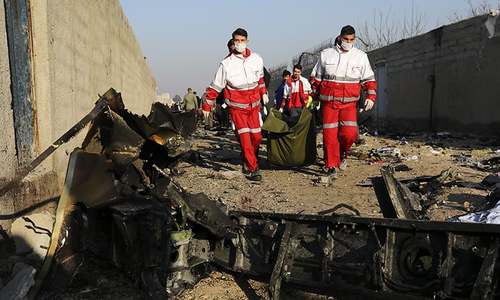
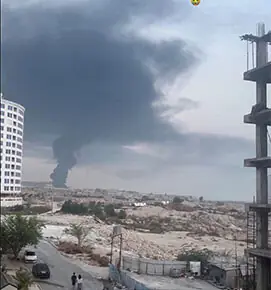
Potentially stepping up international pressure on Tehran, Canada's Prime Minister Justin Trudeau and US officials said they believed a Ukrainian passenger plane that crashed in Iran on Wednesday was brought down by Iranian air defenses by mistake hours after Iran launched its missiles attacks.
Trump said he had suspicions about the cause of the Ukrainian Boeing 737-800 plane crash, adding: “Somebody could have made a mistake.”
Iran denied the reports of missiles downing the plane.
Next move?
Earlier on Thursday, Iran spurned Trump's call for a new nuclear pact, and its commanders threatened more attacks, fueling worries that an apparent pause in US-Iran conflict could be short lived.
But each side's next move was uncertain. Iranian generals resumed their habitual barrage of warnings to Washington, and Trump said new sanctions had been imposed, as his Democratic rivals criticised his handling of the crisis.
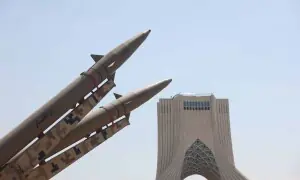
Iran fired missiles on Wednesday at bases in Iraq where US troops were stationed in retaliation for Soleimani's killing in a US drone attack of in Baghdad on Jan 3.
Trump said no US troops had been harmed in the strikes and Iran “appears to be standing down,” adding that Washington did not want to use its “great military.”
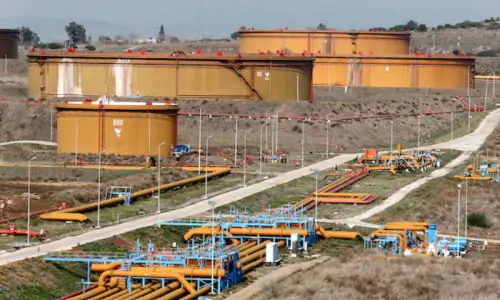
The tit-for-tat actions followed months of tension that has increased since Trump pulled the United States out of Iran's nuclear pact with world powers in 2018 and reimposed sanctions that have driven down Tehran's vital oil exports.
Trump said it was time for world powers to replace the 2015 nuclear pact with a new deal so Iran could “thrive and prosper.”
'Economic terrorism'
Responding to Trump's call for a new nuclear deal, Iran's UN Ambassador Majid Takht Ravanchi said Tehran could not trust any idea of dialogue when faced with the “economic terrorism” of sanctions, Iranian media reported.
Iran's powerful Revolutionary Guards also issued new threats to Washington, with one senior commander warning of “harsher revenge soon” and another saying Wednesday's missile strikes were only the start of a series of attacks across the region.
Brigadier General Esmail Ghaani, the new head of the Quds Force, which runs Iran's foreign military operations, said he would follow the course pursued by his slain predecessor Soleimani.
Analysts say that in an election year, Trump wants to avoid getting into a drawn out conflict. In turn, Iran will try to avert direct confrontation with superior US forces but can call on proxy militias across the region as US sanctions bite.
“I'm not expecting further direct attacks from Iran. We are likely to see more indirect responses through proxies,” said Ali Alfoneh, senior fellow at the Arab Gulf States Institute in Washington.
He said there might be a chance for a negotiated solution to the latest standoff as “the Trump administration does not appear to actively pursue a war and Iran needs sanctions relief.”