Residents of occupied Kashmir eagerly await UN speeches by Imran, Modi


Residents of Indian-occupied Kashmir hope speeches by Indian and Pakistani prime ministers at the United Nations General Assembly on Friday will turn world attention to an unprecedented lockdown that has been in place for more than 50 days.
Simmering tensions in occupied Kashmir are threatening to erupt into open conflict between India and Pakistan after New Delhi imposed heavy restrictions in the territory and stripped it of its autonomy on August 5.
“We really hope these leaders will do something to rid us of conflict and suppression,” said Nazir Ahmed, a schoolteacher on the outskirts of Srinagar, the main city of occupied Kashmir. “Conflict is like a cancer hitting every aspect of life. And Kashmiris have been living inside this cancer for decades now.”
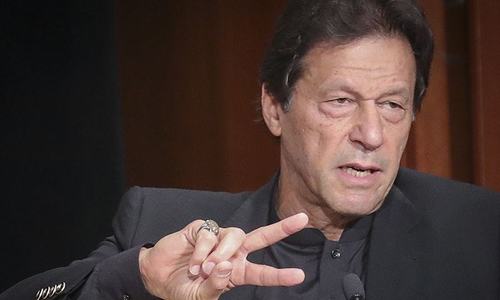
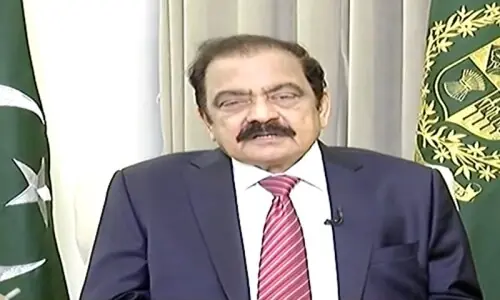
Prime Minister Imran Khan has warned in recent days that war is possible over India's crackdown. Residents of the region will be watching Imran and Indian Prime Minister Narendra Modi to see if they use the UN stage to ratchet up or down the temperature.
Prime Minister Imran has already promised to use his speech to describe what he says is years of Indian oppression and human rights violations in the region.
In August, Modi's Hindu nationalist-led government sent in thousands of additional troops, imposed a sweeping curfew, arrested thousands, and cut virtually all communications in the Muslim-majority region.
Authorities have since eased some restrictions and encouraged students to return to school and businesses to reopen, but Kashmiris have largely stayed indoors to show their defiance of Indian rule.
India's government says the abrogation of the region's special status that was granted under the India constitution was necessary for development and eradication of "terrorism" in the region.
It has arrested anti-India as well as pro-India activists, including some top Kashmiri leaders who have historically accepted Indian rule over the region.
Some residents hoped the UN speeches would help ease the harsh restrictions on their lives.
“People have suffered a lot,” said Mansoor Badyari, a Srinagar shopkeeper. “We want a resolution (of the Kashmir dispute) once and for all.”
Others were sceptical of any positive outcome, citing past experiences with such speeches at the UN.
“We've been hearing about these speeches since 1947. Nothing has come out of them,” said Riyaz Ahmad, a local resident.
Despite the arrests of many political and social leaders, Kashmiris have launched a campaign of refusal to resume their normal lives, confounding India at the cost of economic losses for themselves.
Shops have adopted new, limited hours of operation in the early morning and evening.
“We keep our shops and business establishments shut during the day to express our anger over what we have been robbed of by New Delhi,” said Ahsan Bhat, a grocer in Srinagar.
Even that doesn't satisfy Jahangir Ahmed Mir. “I only come to my shop to ventilate it and keep the rats and other harmful creatures away,” he said. “I'm not doing any business.”
On Thursday, dozens of Kashmiris protested in Srinagar against Indian rule, chanting “Go India, go back” and “We want freedom".