Modi government freezes ads placed in three Indian newspaper groups

India's government has cut off advertisements to at least three major newspaper groups in a move that executives and an opposition leader said was likely retaliation for unfavourable reports.
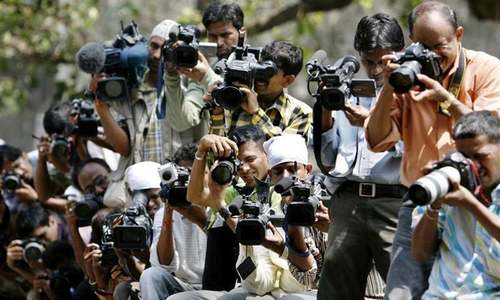
Critics have said that freedom of the press has been under attack since Prime Minister Narendra Modi's government first took office in 2014 and journalists have complained of intimidation for writing critical stories.
Now the big newspaper groups, which have a combined monthly readership of more than 26 million, say they are being starved of government ads worth millions of rupees that began even before Modi was elected to power last month with a landslide mandate.
“There is a freeze,” an executive at Bennett, Coleman & Co that controls the Times of India and The Economic Times, among the country's biggest English-language newspapers, said. “Could be (because of) some reports they were unhappy with,” the executive said, seeking anonymity because he was not authorised to speak to the press.
Around 15 per cent of the Times group's advertising comes from the government, the executive said. The ads are mostly government tenders for contracts as well as publicising government schemes.
Take a look: A lesson in press freedom from 18th century Calcutta
The ABP Group, which publishes The Telegraph that has run reports questioning Modi's record on everything from national security to unemployment, has seen a similar 15 per cent drop in government advertisements for around six months, two company officials said.
“Once you don't toe the government line in your editorial coverage and you write anything against the government, then obviously the only way they can penalise you (is) to choke your advertising supply,” the first ABP official said.
The second ABP official said that there had been no communication from the government, and the company was looking to other sources to plug the gap.
“Press freedom must be maintained and it will be maintained despite these things,” the official said. Both also sought anonymity.
Satyendra Prakash, director general of the Bureau of Outreach and Communication, the agency responsible for advertisements from the federal government, did not reply to Reuters emails or phone calls seeking comment. But a spokesman for Modi's ruling Hindu nationalist Bharatiya Janata Party said the press in India remained fully free.
Nalin Kohli said there was ample criticism against the ruling party in newspapers and on TV news channels. “That's testimony of freedom of speech,” he said, “The suggestion that the BJP is throttling free press is ridiculous.”
Read next: India's Modi paints image of Hindu ascetic called to power
India ranked 140th out of 180 in the 2019 World Press Freedom Index, lower than countries like Afghanistan, Myanmar and the Philippines. It ranked 80th out of 139 countries surveyed when the index was started in 2002.
The Hindu newspaper group also saw government advertising plunge after publishing investigative stories on a multi-billion dollar deal to buy combat planes from France's Dassault that strengthened an opposition campaign alleging government wrongdoing, a company official said.
The government rejected the accusation.
A leader of the main opposition Congress told parliament this week the government was trying to bring the three newspaper groups to heel.
“The undemocratic and megalomaniac style of stopping government advertisement is a message to media from this government to toe its line,” Adhir Ranjan Chowdhury said.
Chief executive officers of all three newspaper groups did not respond to Reuters emails.