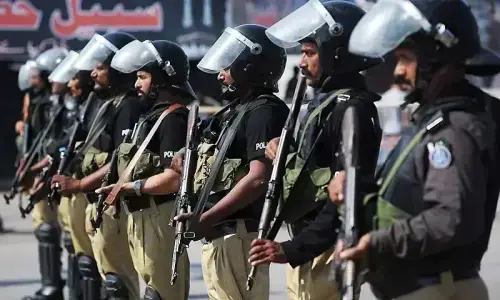
THIS week, in an ongoing attempt to eradicate the deadly polio virus, a national polio immunisation campaign mobilising 260,000 personnel will attempt to vaccinate 38.6m children under the age of five. One of the last three countries, including Afghanistan and Nigeria where polio is endemic, Pakistan might be close to stopping the transmission of the virus but will only get to zero cases when it tackles the challenges in the way of eradicating the disease. To have eliminated polio, it must report zero cases for three consecutive years, according to WHO guidelines. While sustained efforts to halt the virus’s transmission have shown results since 2014 when 306 cases were registered compared to 54 in 2016, eight in 2017 and four cases this year, attempts have also been undermined by militant attacks on vaccinators and law-enforcement personnel. The Taliban had ‘banned’ vaccinations in the tribal areas, even certain settlements of Karachi, and militants still remain active. Only in January, a mother-and-daughter vaccination team was killed in Balochistan from where one of the three polio cases recorded this year has emerged. Yet another hurdle is the vaccine refusal rate. And, because the virus can be found circulating in sewage water, the government must improve living and housing conditions in low-income settlements.
Moreover, migrant populations travelling between the tribal region and Afghanistan’s border towns export the virus even when anti-polio teams from both countries have coordinated to stop cross-border transmission. To ensure that every child entering Pakistan is immunised, it is imperative that well-stocked vaccination kiosks at border crossings, transit hubs, police check-posts and in localities where migrant families settle are made operational. Also injectable polio vaccines, experts say, should be used to enhance the immune system of children more likely to contract this virus. Stamping out this deadly virus would imply every child is vaccinated, especially those with families on the move and who have missed routine immunisations. The effort will require a cohesive public health infrastructure supported by our political leadership.
Published in Dawn, September 26th, 2018