ISLAMABAD: Highlighting an increase in enforced disappearances and targeted violence against soft targets, the country’s leading human rights watchdog — Human Rights Commission of Pakistan (HRCP) — in its annual report has raised the issue of curbs on freedoms of expression and association, while appreciating legal progress in other aspects of human rights in Pakistan.
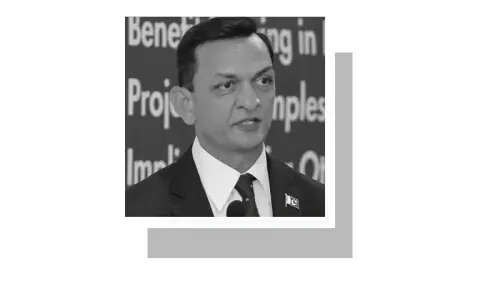
The 296-page report titled the State of Human Rights in 2017 has been dedicated to the late lawyer activist Asma Jehangir, who was one of the founders of the commission. I.A. Rehman, HRCP spokesperson, Afrasiab Khattak, former senator, and Salima Hashmi, HRCP Punjab vice-chair, inaugurated the report’s launch event on Monday, while Maryam Hassan, its editor, was also available for discussion.
The publication assesses the extent of human rights violations across the country over the last year, and gauges efforts by the authorities to prevent such abuses. It also looks at the challenges faced by the media, human rights defenders and broader civil society in monitoring the country’s human rights situation.
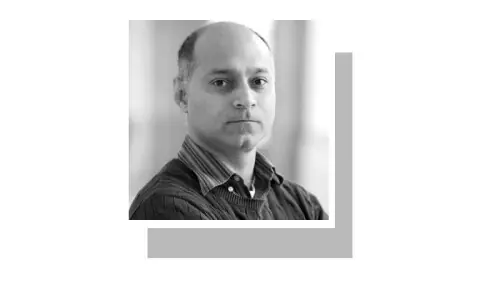
Presenting an overview of the report, Mr Rehman said, “One of the most fundamental human rights is of democratic governance, which remained under serious strain throughout the year and the role of unelected, non-representative elements increased day by day.” He added that the writ of the state had shrunk and people were increasingly being denied basic freedoms and rights, “for instance the casualties due to terrorism declined but attacks against the country’s minorities are on the rise”.
Report says role of non-representative elements increased day by day
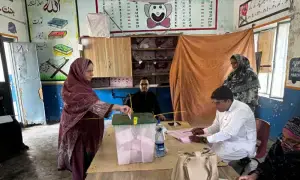
The report states there were 5,660 crimes against women and religious minorities reported in the four provinces in the first 10 months of 2017. “We had a new election law and some of the features were promising especially the feature to increase women voters and to facilitate the registration of minority communities,” said Mr Rehman, adding, “But after the law was adopted, there was an election in Dir and women were not allowed to vote again. The war against terror continues and the problems created by that war also continue”.
The report raises the issue of enforced disappearances and points out that people are picked up for criticising the military or advocating improved relations with neighbouring India (for example, Raza Khan, who worked for an NGO that exchanged messages of peace among students on both sides of the border, has been missing since December last year).
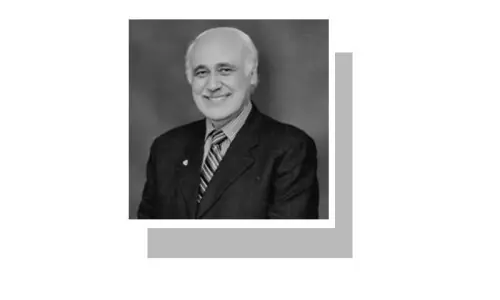
Speaking at the event, Mr Khattak said, “The question of enforced disappearances seems to have reached a dead end. We don’t see much activity on the judicial front from the commission on disappeared persons and we don’t see any progress. We are really concerned by the lack of efforts on the part of state institutions to tackle this issue. We saw the disappearance of the five bloggers and the way it was handled is a matter of concern. They were released and we congratulated ourselves because they were returned alive but the way they were maligned is a matter of grave concern.”
He stressed the need for Pakistan to sign the International Convention on Enforced Disappearances and criminalise these disappearances. “We won’t see any end of these disappearances until all those involved are prosecuted.”
According to the report, a government-mandated commission of inquiry on enforced disappearances received 868 cases in 2017 alone, more than in two previous years. The commission located 555 of the disappeared but the remaining 313 are still missing.
Mr Rehman pointed out that the number of convicts executed in 2017 was less than in 2016, “but we feel even this was high... We should not be hanging people.” He also noted that freedom of assembly was extended only to religious far-right groups, even though they had made life in Islamabad miserable for several weeks. Mr Rehman also lamented a decline in the labour standards.
Speaking about the gains made towards extending rights, Mr Khattak said there had been some positive legislation in the national and provincial assemblies. The report hails the inclusion of a transgender category in last year’s census and the right to identify as transgender in the country’s passports. Similarly, under a new law in Punjab, marriage licences within the Sikh community are now accepted at the local level.
Published in Dawn, Aprill 17th, 2018