Asylum-seekers in Australia win multimillion dollar payout
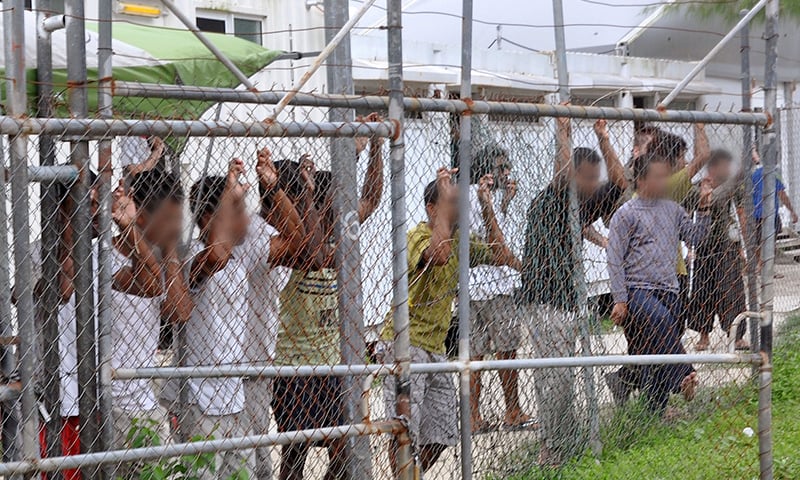
Detainees at an Australian asylum-seeker camp in Papua New Guinea won millions of dollars in compensation for “degrading and cruel” treatment Wednesday, in a decision hailed as an important human rights victory.
Abuse, self-harm and mental health problems are reportedly rife in offshore processing centres, with detainees resorting to desperate protests like sewing their own lips together to raise awareness of their plight.
Wednesday's AUS$70 million (US$53 million) conditional settlement, to be shared by 1,905 people who have been held on Manus Island since 2012, averted a public trial against the government and security providers Transfield and G4S.
A class action had sought damages for what claimants said was suffering due to the harsh conditions in which they were held.
It also called for a payout for false imprisonment after the Papua New Guinea Supreme Court ruled last year that holding asylum-seekers on Manus Island was unconstitutional and illegal.
Law firm Slater and Gordon said they believed it was the largest human rights class action settlement in Australian history, with the defendants also agreeing to pay more than Aus$20 million in costs.
“The people detained on Manus Island have endured extremely hostile conditions, but they will no longer suffer in silence,” said the firm's Andrew Baker.
“While no amount of money could fully recognise the terrible conditions the detainees endured, we hope today's settlement can begin to provide them with an opportunity to help put this dark chapter of their lives behind them.”
The Manus detention facility opened in 2012 to hold people trying to enter Australia by boat, under a tough immigration policy that sends them offshore to be processed.
They are blocked from resettling in Australia even if found to be refugees.
Conditions in the camp, and another one on Nauru in the Pacific, have been widely criticised by refugee advocates and medical professionals, with reports of maltreatment and neglect, leading to serious health problems.
Amnesty International called the decision “historic” and “a major crack in the Australian government's crumbling system of abuse”.
“It must be a turning point towards a better solution for refugees -- one that is grounded in protection, not abuse,” said Amnesty Pacific researcher Kate Schuetze.
Prudent outcome
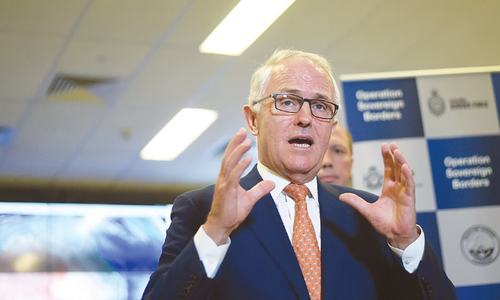
Immigration Minister Peter Dutton said the payout was not an admission of liability, but to avoid a costly six-month trial.
“In such circumstances a settlement was considered a prudent outcome for Australian taxpayers,” he said in a statement.
“The Commonwealth strongly refutes and denies the claims made in these proceedings. Settlement is not an admission of liability in any regard.” Slater and Gordon lawyer Rory Walsh said the government and its contractor's defence “was that it was the PNG authorities doing the imprisoning and detaining and not them”.
“The denial of liability allows the Commonwealth and the defendants to run those positions in any other cases and maintain that position,” he told the Australian Broadcasting Corporation.
Lead plaintiff Majid Kamasaee, an Iranian, welcomed the settlement as an overdue acknowledgement of the suffering he and others endured.
“This case is not just about me, it is about every person who has been trapped on Manus Island,” said Kamasaee, who was held there for 11 months “I left my home in Iran in 2013 because of religious persecution and I came to Australia seeking peace, but I was sent to Manus, which was hell.
“The way we were treated at the Manus Island detention centre was degrading and cruel.”
While the Manus camp needs to close following the PNG court decision, Dutton has made clear those housed there would not be moved to Australia but instead relocated to third countries such as the United States and Cambodia, or resettled in PNG.
The government has not revealed any plans to shut down the Nauru facility.