DESPITE efforts by the state to bring peace to Karachi, sectarian killings in the metropolis continue, putting a question mark on official claims.
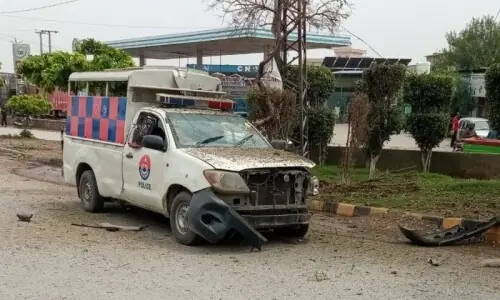
Within a week, over 10 people have been murdered in the Sindh capital in suspected sectarian attacks.
On Friday, six people were gunned down in different parts of Karachi. Three men, reportedly workers of the banned Ahle Sunnat Wal Jamaat, were shot dead while returning from a rally organised by the outfit. In the other incidents, two members of the relatively apolitical Tableeghi Jamaat, along with a prayer leader, were murdered in separate incidents.
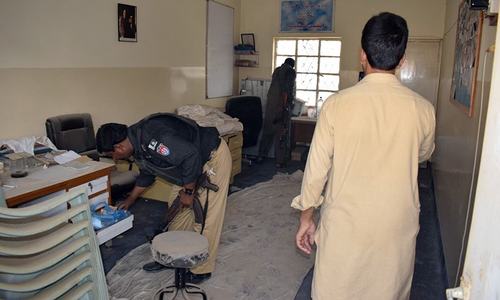
The killings come in the wake of the recent attack on a women’s majlis in Nazimabad, in which five people, including three brothers, were murdered.
Police say Friday’s violence could be a reaction to the earlier incident.
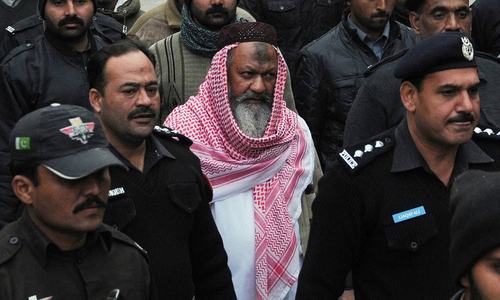
On Saturday, police took into custody former PPP senator Faisal Raza Abidi in connection with the killing of the Tableeghi Jamaat members.
It is hoped these acts of violence do not inspire more tit-for-tat attacks. Community leaders, ulema and the state must all play their role in ensuring communal harmony.
However, it should be reiterated that there is no Shia-Sunni conflict at the communal level in Pakistan as such.
This country has thankfully been spared much of the communal frenzy witnessed in certain Middle Eastern states.
Here, outfits like Sipah-i-Sahaba Pakistan (ASWJ’s old name) and its more virulent spin-off Lashkar-i-Jhangvi have, over the past three decades, played an instrumental role in bringing the culture of takfir (declaring others as being outside the pale of Islam) to the mainstream, along with physically eliminating the sectarian ‘others’.
This, in response, gave rise to Shia militant groups such as Sipah-i-Mohammad. Throughout this period, the state’s response to the growth of sectarian militancy has been dismal, as ‘banned’ outfits have operated with relative ease.
Hence, to put an end to the recurring cycles of sectarian violence, the state must permanently dismantle the outfits that provide the ideological and material support for violence.
Published in Dawn, November 6th, 2016