9
9



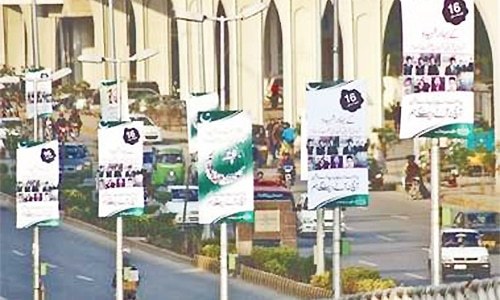
PESHAWAR: As they prepare to mark the first anniversary of a siege that unified the country as never before in its more than decade-long battle against terrorists, the students, teachers and other staff of Army Public School Peshawar say it must never be forgotten. At least 144 lives were lost in the Peshawar school massacre of December 16, 2014, the deadliest terrorist attack in Pakistan's history.
While schools and universities over the country light up their candles for vigils, parents of the fallen hold on to their children's last belongings at their homes. School books, toys and trinkets are brought out even as they are gathering dust to remember the small lives that have perished. These items, the parents say, have become mementos of the nightmare they are living.
Meanwhile, the site of the carnage - APS Peshawar - is slowly and grudgingly regaining normality. Teachers and professors who survived the attack are back in their classrooms, despite injuries and mental trauma.