17
17


RIYADH: Saudi women were allowed to vote in elections Saturday for the first time ever, in a tentative step towards easing widespread sex discrimination in the ultra-conservative Islamic kingdom.
In another first, women were allowed to stand as candidates in the polls for municipal councils, the country's only elected public chambers.
The absolute monarchy, where women are banned from driving and must cover themselves from head-to-toe in public, was the last country to allow only men to vote.
More than 900 women are running, competing with nearly 6,000 men for seats.
They have had to overcome a number of obstacles to participate in the landmark poll.
Gender segregation enforced at public facilities meant that female candidates could not directly meet any male voters during their campaigns.
Women voters said registration was hindered by bureaucratic obstacles, a lack of awareness of the process and its significance, and the fact that women could not drive themselves to sign up.
Polling stations were also segregated Saturday.
As a result, women account for less than 10 per cent of registered voters and few, if any, female candidates are expected to be elected.
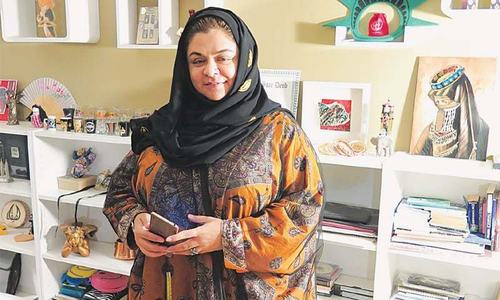
“To tell you the truth, I'm not running to win,” said Amal Badreldin al-Sawari, 60, a paediatrician in central Riyadh.
“I think I have done the winning by running."
But one-third of seats on Saudi's 284 councils are appointed by the municipal affairs ministry, leaving women optimistic that they will at least be assigned some of them.
'Many equal rights'
Sawari said she wanted to be a candidate out of patriotism and because Islam gives women rights.
“Men and women have equal rights in many things,” she said, reciting a relevant verse from the Holy Quran, and adding that everyone she encountered was supportive of her campaign.
“Our society is dominated by men in appearance, but women work everywhere."
Aljazi al-Hossaini waged her 12-day campaign largely over the Internet, putting her manifesto on her website where both men and women could see it.
“I did my best, and I did everything by myself,” said the 57-year-old management consultant, running in the Diriyah area on the edge of Riyadh.
“I'm proud of myself that I can do it."

But not all women trying to break the mould in the conservative kingdom had such a positive experience.
As campaigning began last month, three activists said they had been disqualified from running.
They included Loujain Hathloul, who spent more than two months in jail after trying to drive into the kingdom from the United Arab Emirates late last year, in a case that attracted worldwide attention.
An appeals committee reversed her disqualification just two days before the end of campaigning, Hathloul said on Twitter.
“That is not fair,” she said.
Nassima al-Sadah, a human rights activist in the Gulf coast city of Qatif, told AFP she had begun legal action over her own disqualification.
And a resident of northeastern Saudi Arabia, who asked not to be named, said the female candidate she wanted to vote for withdrew after local Islamic scholars objected.
'Lack of information'
An AFP reporter at a male polling centre in central Riyadh said only a handful of voters arrived to cast early ballots after voting opened at 8:00 am.
Ahmad Abdel Aziz Soulaybi, 78, said he did not know enough about female candidates in his region to support any.
“I voted for a man because I lack information about the women,” he told AFP.
According to election commission data, nearly 1.5 million people aged 18 and over are registered to vote.
This includes about 119,000 women, out of a total native Saudi population of almost 21 million.
Oil-rich Saudi Arabia boasts modern infrastructure of highways, skyscrapers and ever-more shopping malls. But women still face many restrictions, and must get permission from male family members to travel, work or marry.
Examine: Nine things Saudi women still can't do
Ruled by the al-Saud family of King Salman, Saudi Arabia has no elected legislature and faces intense Western scrutiny of its rights record.
A slow expansion of women's rights began under Salman's predecessor Abdullah who announced four years ago that women would join the elections this year.
The kingdom's first municipal ballot was in 2005, for men only.
Polls close at 5:00 pm, with counting on Sunday.