0
0
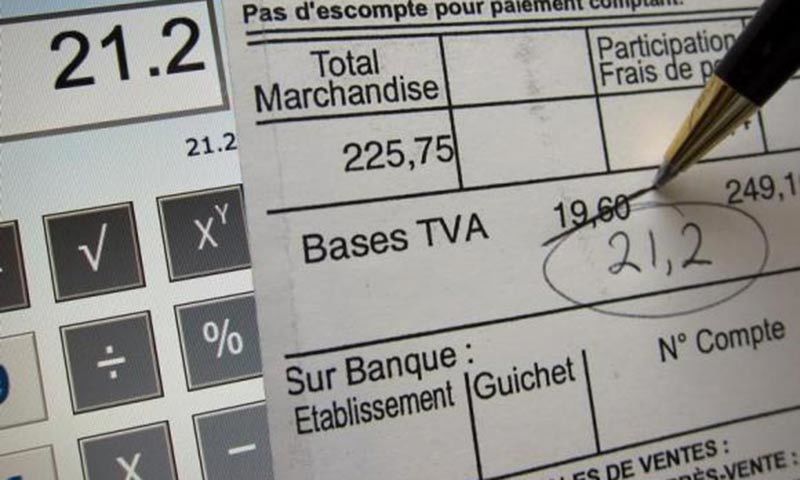

PARIS: Lower rates of Value Added Tax (VAT) do not always benefit the poor, the OECD think tank said on Wednesday in a report urging governments instead to consider means-tested and other direct benefits to boost income equality.
The conclusion challenges a widely-held belief among policy makers that one way to help low-income groups is to reduce VAT and other forms of indirect taxation. It came after a separate OECD study this week said that rising income inequality was hurting economic growth.
The Paris-based Organisation for Economic Co-operation and Development (OECD) found that reduced VAT rates on certain goods and services disproportionately benefit the rich when the impact is measured as a proportion of household spending rather than the often used benchmark of household income.
It said the discrepancy was most stark in relation to discount rates offered by many countries on hotel accommodation, restaurant meals and cultural goods such as books, theatre and cinema tickets — services often used more by the rich.
“Many governments have sought to protect the poor by giving reduced rates,” said David Bradbury, Head of the Tax Policy and Statistics Division at the OECD’s tax centre.
“But through reduced rates in this area, you are delivering a cash hand-out to the wealthiest,” he added, singling out the impact of reduced tax rates on meals served in restaurants.
Published in Dawn, December 11th, 2014