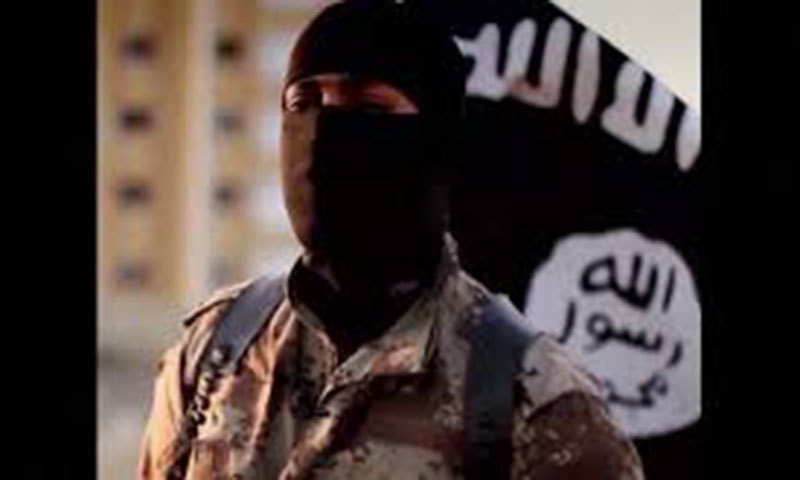


UNITED NATIONS: The Islamic State group which controls a large swath of Syria and Iraq has received between $35 million and $45 million in ransom payments in the past year, a UN expert monitoring sanctions against Al Qaeda said Monday.
Yotsna Lalji told a meeting of the UN Security Council's Counter-Terrorism Committee that an estimated $120 million in ransom was paid to terrorist groups between 2004 and 2012.
Kidnapping for ransom “continues to grow,” she said, as demonstrated by the money the extremist group calling itself the Islamic State has collected, between $35 million and $45 million in the past years.
She said in recent years that Al Qaeda and its affiliates have made kidnapping “the core Al Qaeda tactic for generating revenue.”
She pointed to an October 2012 recording in which Al Qaeda leader Ayman al-Zawahri incites militants worldwide to kidnap Westerners.
Lalji said Al Qaeda in the Arabian Peninsula, which operates from Yemen, received $20 million in ransom between 2011 and 2013, and Al Qaeda in the Islamic Maghreb, which operates in North Africa, received $75 million over the past four years.
She said the Al Qaeda-linked extremist groups Boko Haram in Nigeria and al-Shabab in Somalia also “have collected millions of dollars over the past years,” and the Abu Sayyaf militant group in the Philippines has received about $1.5 million in ransom.
According to the Al Qaeda sanctions committee, although the media focuses on international hostages who have generated the largest ransom payments, the vast majority of victims are nationals kidnapped within their own country.
Lalji said terrorist groups either carry out kidnappings themselves or in the case of Al Qaeda in the Arabian Peninsula they work with tribesmen in Yemen who deliver hostages for a fee.
Last week, President Barack Obama ordered a review of how the United States responds when its citizens are taken hostage overseas in light of the beheadings of Americans by Islamic State militants, but it will not include changing the longstanding US policy of refusing to pay ransom.
Many governments do pay ransom and some family members of those killed have complained that the US did not take enough action in an attempt to save their loved ones.