9
9

ISLAMABAD: Pakistan plans to bring all of its madrassas, or religious schools, under its national education system within one year under a landmark security policy aimed at combating extremism.
The first “National Internal Security Policy”, a copy of which was seen by AFP on Sunday, says that some of the country's 22,000 madrassas are responsible for spreading extremism.
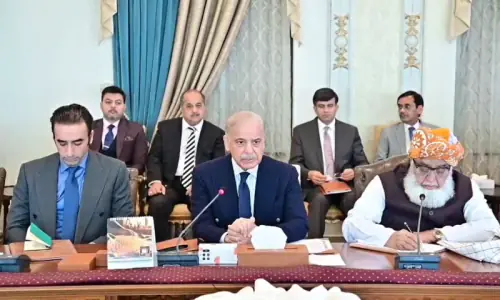
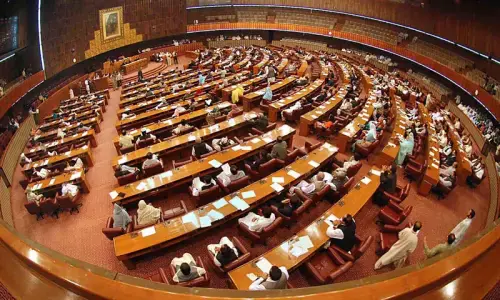
Interior Minister Chaudhry Nisar Ali Khan presented the policy in parliament on Wednesday after a decade-long Islamist insurgency that has claimed thousands of lives and cost the economy “more than $78 billion”.
On the topic of religious schools, the document says: “It is important to mention upfront that not all madrassas are a problem and therefore these must not be viewed negatively as a whole.
“However, there were problems within some madrassas which have spread extremism,” it adds, noting “financing from unidentified sources” and the “publication and distribution of hate material”.
The vast majority of madrassas in Pakistan fall outside government control.
There are allegations that some madrassas are also involved in preaching violence and propagating hatred toward other sects and non-Muslims.
“A large number of terrorists, either are, or have been students of madrassas where they were brainwashed to take up arms against the state,” the paper said.
The 94-page policy document offers a candid and introspective look at where Pakistan has been failing in its efforts to fight terror.
The policy calls on the government “to build a national narrative on extremism and terrorism” -- opinion polls in the past have shown there is no overwhelming public consensus on tackling extremist groups.
The document also calls for the establishment of a Federal Rapid Response Force and Counter Terrorism Department within police forces in the next six months.
The Pakistani Taliban on Saturday announced a month-long ceasefire aimed at resuming stalled peace talks with the Pakistan government, but analysts voiced scepticism over the move.
Dialogue between Islamabad and the Tehreek-i-Taliban Pakistan (TTP) that began last month was suspended after the militants killed 23 soldiers.
The military responded with a series of air strikes that have left more than 100 insurgents dead.