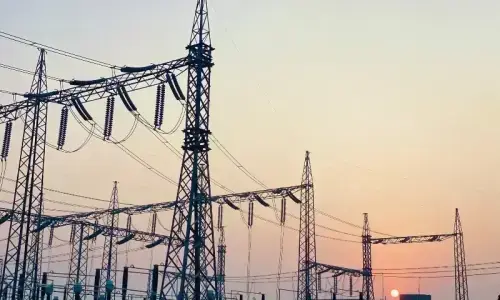
ISLAMABAD: In an attempt to keep up the momentum for friendly relations, the federal cabinet allowed on Monday import of electricity from India despite internal opposition.
“The cabinet gave approval to the signing of an MoU (memorandum of understanding) between Pakistan and India for trade of electricity,” an official statement said. The water and power ministry had initiated negotiations with India in this regard, it said, adding that the World Bank had undertaken to finance feasibility study of the project.
Informed sources told Dawn the cabinet meeting had discussed the issue for almost an hour and most of the ministers opposed the proposal, particularly its timing, and said it would have a “negative symbolic impact” at a time when India was taking steps to deprive Pakistan of its water by building dams on rivers assigned to this country.
Moreover, they said, it would be taken in bad taste by the nation and influential quarters as the Indian army chief had recently confessed to having killed Pakistani troops on the Line of Control and threatened to do the same in case of future violations of the LoC.
It was argued that allowing the bilateral electricity deal soon after relaxation on trade relations would provide the opposition parties an opportunity to gain public support.
On Saturday, the two countries had agreed to keep the Wagah border opened for 24 hours for trade and remove non-tariff barriers.
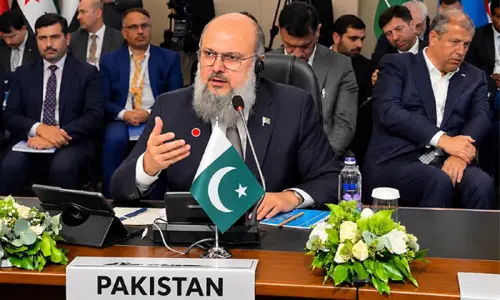
However, some influential cabinet members like Finance Minister Ishaq Dar and Water and Power Minister Khwaja Mohammad Asif spoke in favour of the electricity import from India. Khwaja Asif was of the opinion that technically it was quite a feasible option.
The crux of the two ministers’ arguments was that whatever might be the prevailing circumstances, at the end of the day if the government failed to ensure power supply to people it would be politically difficult to face them. Therefore, the government should exploit all options to increase power supply irrespective of its sources.
Prime Minister Nawaz Sharif supported this view and allowed the water and power ministry to go ahead with the signing of an MoU between Pakistani and Indian companies.
In September, the Senate’s standing committee on water and power had opposed the proposal to import electricity from India, asking the government to give up the plan and focus on completing the ongoing hydropower projects.
“How is it possible to import electricity from India amid exchange of heavy fire on the borders for 20 days in a month,” wondered chairman of the standing committee, Senator Zahid Khan of the Awami National Party.
The committee had observed that the government was going to spend a substantial amount on feasibility studies and raise loans form multilateral agencies for the project. The money should be spent on expediting the ongoing hydropower projects.