0
0
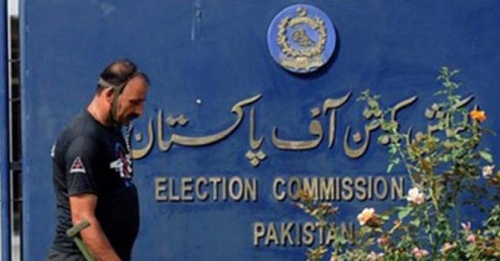
ISLAMABAD: The Election Commission decided on Monday to announce next week the schedule for local government elections in three provinces.
The schedule for Sindh will be announced on Nov 1 and for Punjab and Balochistan on Nov 5, Syed Sher Afgan, acting Additional Secretary of the ECP, told reporters after a marathon meeting of the commission.
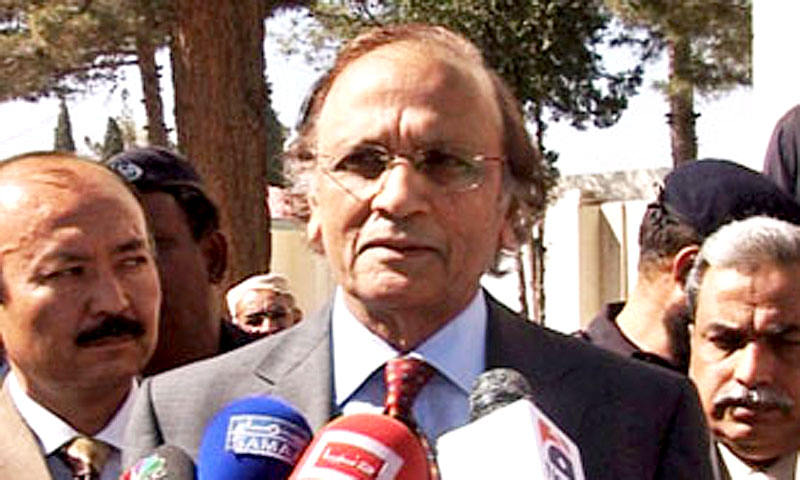
The meeting, presided over by acting Chief Election Commissioner Justice Tassaduq Hussain Jillani, was attended by ECP members and provincial election commissioners, chairman of the National Database and Registration Authority and managing director of the Printing Corporation of Pakistan (PCP).
However, Mr Afgan said that the schedule could be announced only if the provinces provided updated local government laws after removing flaws and notified delimitations and rules for the polls.
He said dozens of matters would have to be sorted out before announcing the schedule, like appointment of returning officers and district and assistant ROs. He said letters had been sent to the provincial governments seeking the proposed lists of DROs, ROs and AROs.
He said no decision had been taken about announcing the results of the elections three days after the polling.
Talking to Dawn, Mr Afgan said an estimated Rs6.58 billion would be spent on organising the local government elections across the country.
He said there was no controversy about who would bear the cost, the federal or the provincial governments, and the finance division would release the required funds.
The ECP official said that around 100,000 polling stations would be set up across the country and around 600 million ballot papers would be printed.
But, while the ECP was trying hard to implement the Supreme Court’s directives for holding the local government elections on the dates proposed by the provinces, technical hitches have started cropping up, posing a threat to meeting the tight schedule.
According to sources, the PCP managing director said at the meeting that the printing of the ballot papers would take at least three months.
Another mater discussed at the meeting was the consequences of delimitation carried out on the basis of the 1998 census. An official pointed out that the issue would lead to incompatibility between the delimitation carried out on the basis of old census blocks and the electoral rolls prepared on the basis of new blocks.
He said because of the problem it would not be possible to prepare electoral rolls with photographs, and thumbprint verification of voters by using magnetised ink.
“We are unable to afford it. It will open up a Pandora’s box and become a big political issue,” the sources quoted Justice Jillani as saying.