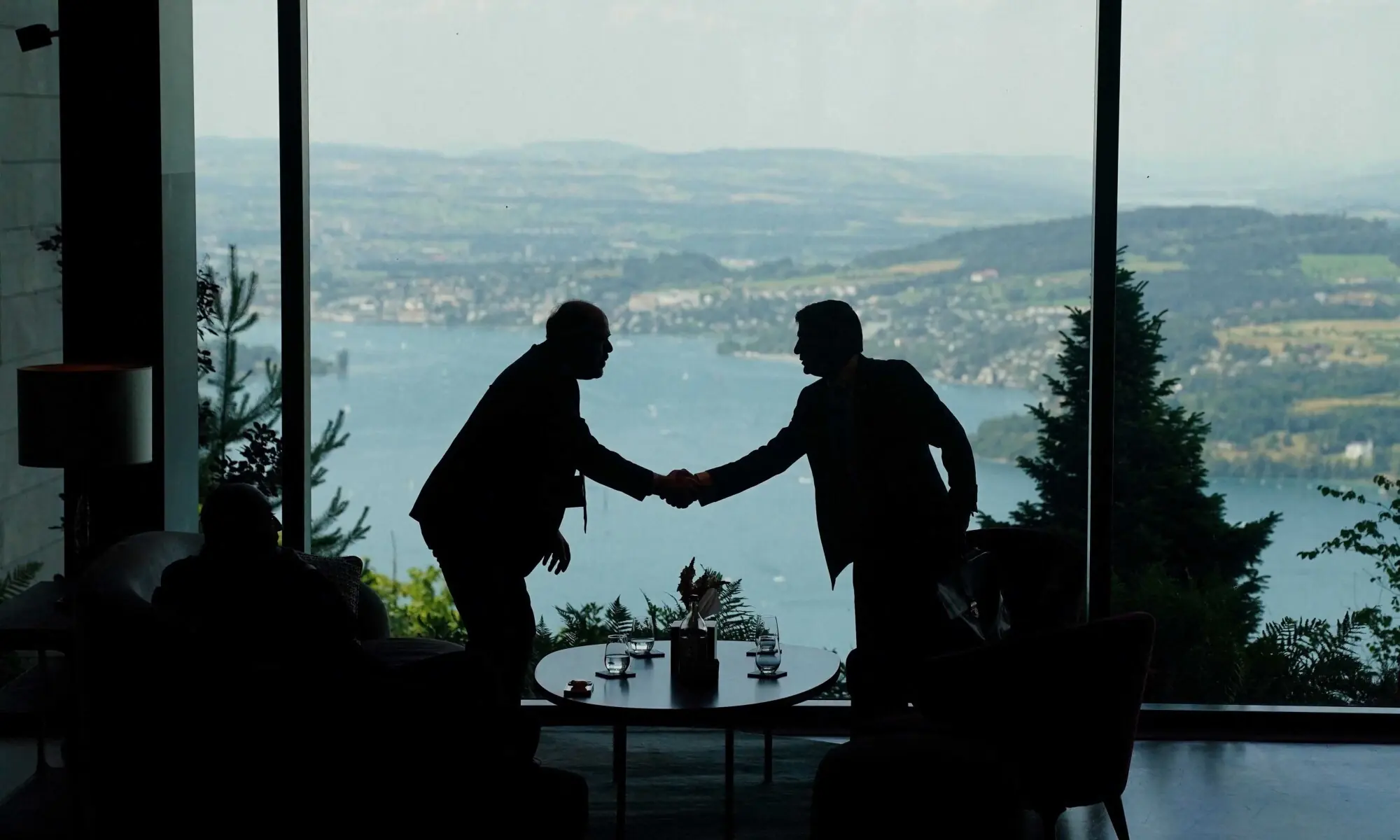
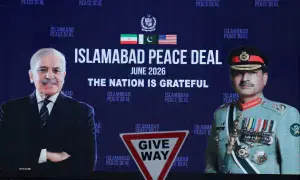
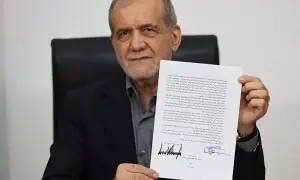
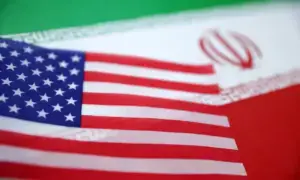
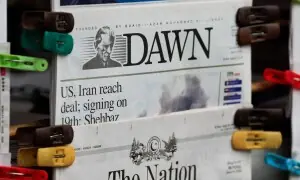
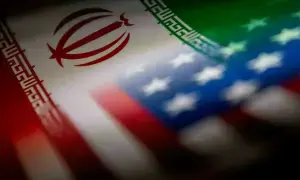
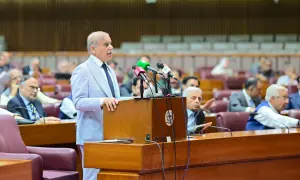
Joint statement by mediators Pakistan and Qatar says technical talks to continue for the rest of the week in Switzerland; Iran, US agree to set up a “communication line” to avoid incidents in the Strait of Hormuz.
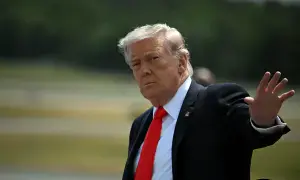
“We give President Trump the benefit of the doubt that he is making the right decisions for America, and that he is also trying to help his allies,” says 32-year-old Shlomo Schlechter.
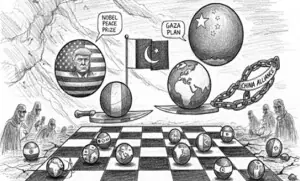
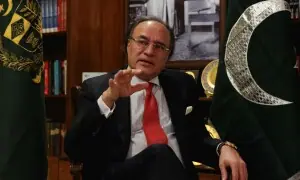
Pakistan’s diplomats are second to none, and if these states seek to engage this country constructively, a new modus vivendi for the subcontinent can be reached.
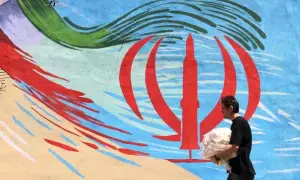
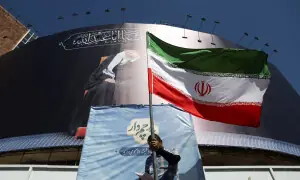
Reza Pahlavi fails to emerge as a unifying figure, while prominent dissidents inside Iran, including Nobel laureate Narges Mohammadi, are still under pressure from the authorities.
Putin says deal could stabilise Middle East, ease energy pressures; Beijing calls it ‘positive step’ for de-escalation; Qatar praises ceasefire terms and Hormuz assurances.
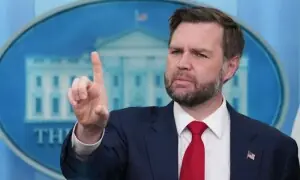
“If I were in the cabinet of the Israeli government, I might not be attacking the only powerful ally that I have anywhere left in the entire world,” Vance says at a press briefing.
At a time when the Gulf's two most consequential powers are pulling regional security in opposite directions, the question of where Pakistan plants its flag is not an academic one.
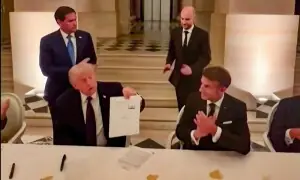
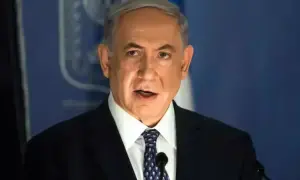
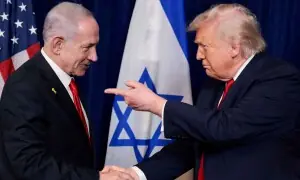
The agreement raises questions about the Israeli premier's ability to influence US policy, determination to confront Iran, and reputation as Israel's security guarantor.
The budget was already on a tightrope; whether it walks it or falls depends less on what happens in Islamabad and more on goings-on in Washington and Tehran