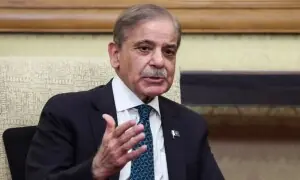
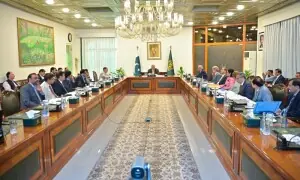
The preliminary agreement, first announced by Prime Minister Shehbaz Sharif, is being hailed as a significant diplomatic breakthrough that could restore stability in the Middle East.
PM Shehbaz says both sides have declared immediate termination of military operations on all fronts; Iran's deputy FM says talks to be held within two months to seek a “final agreement”.
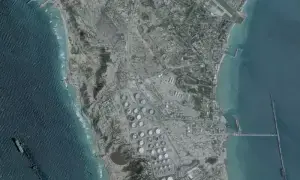
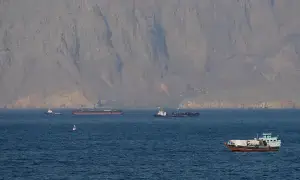
The proposed agreement is emerging as an armistice plus framework essentially prepared to stop escalation, reopen the Strait of Hormuz and create a structured negotiating process for unresolved disputes.
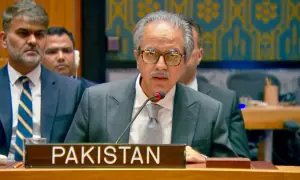
At UNSC, Pakistan's envoy says “events of the last few days have amply underscored the fragility of the situation, the risk of escalation and the need for diplomatic efforts to come to fruition".
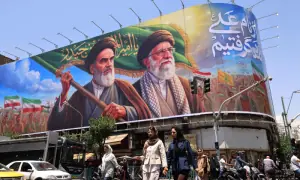
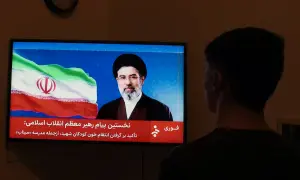
“In Iran, no one truly cares about football now, just as no one seems to care about the hardship and difficult living conditions of the Iranian people,” says citizen in Tehran.
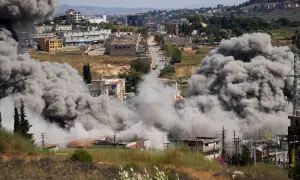
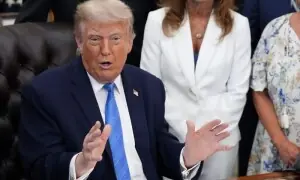
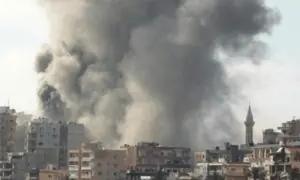
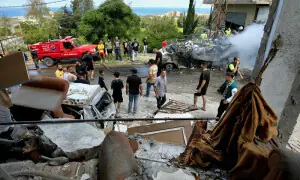
Three truces the US president's administration has negotiated were meant to have stopped the warfare, but munitions are still falling and people still dying.
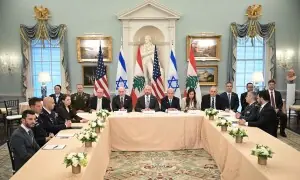
Also agree on creating “pilot zones” in which the Lebanese armed forces “will take exclusive control of the territory to the exclusion of all non-state actors”.